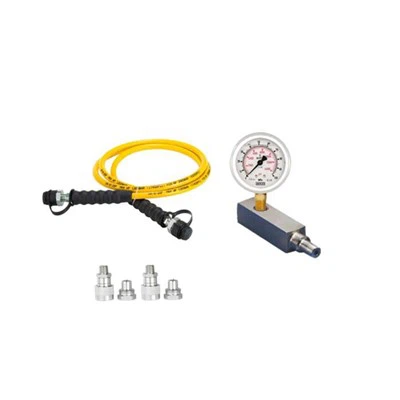
Hey there! As a supplier of hydraulic couplers, I've seen firsthand how important it is to keep these nifty devices in tip - top shape. Hydraulic couplers are crucial components in many industrial and mechanical systems, transferring power from one part to another using hydraulic fluid. In this blog, I'm gonna walk you through the key maintenance items for hydraulic couplers to ensure they work efficiently and last a long time.
Regular Inspection
The first step in maintaining hydraulic couplers is regular inspection. You should visually check the couplers for any signs of wear, damage, or leaks. Look at the outer casing for cracks, dents, or corrosion. Even a small crack can lead to fluid leakage over time, which can not only reduce the performance of the coupler but also cause damage to other parts of the system.
Check the connection points between the coupler and the hoses or other components. Make sure the fittings are tight and there are no signs of loosening. Loose connections can result in fluid loss and may even cause the coupler to malfunction.
Inspect the seals inside the coupler. Seals are vital for preventing fluid leakage. If you notice any signs of wear, like cracks or tears in the seals, they should be replaced immediately. You can find high - quality seals and other Hydraulic Accessories that are compatible with your hydraulic couplers.
Fluid Maintenance
The hydraulic fluid in the coupler is like the life - blood of the system. It needs to be clean and at the right level. Over time, the fluid can get contaminated with dirt, debris, or metal particles. This contamination can cause excessive wear on the internal components of the coupler.
You should regularly change the hydraulic fluid according to the manufacturer's recommendations. typically, this might be every few months or after a certain number of operating hours, depending on the usage. When changing the fluid, make sure to drain all of the old fluid completely and use a high - quality replacement fluid that is suitable for your specific coupler.
Also, keep an eye on the fluid level. If the level is too low, it can cause the coupler to overheat and may lead to cavitation, which can damage the internal parts. On the other hand, if the level is too high, it can cause excessive pressure and leaks. You can use a Hydraulic Pressure Gauge to monitor the pressure in the system and ensure that the fluid level is appropriate.
Lubrication
Proper lubrication is essential for the smooth operation of hydraulic couplers. Lubricants help reduce friction between the moving parts, which in turn reduces wear and tear. You should lubricate the coupler's moving parts, such as the pistons or valves, at regular intervals.
When choosing a lubricant, make sure it is compatible with the hydraulic fluid and the materials used in the coupler. Using the wrong lubricant can cause chemical reactions that may damage the coupler. And don't forget to apply the lubricant evenly to ensure optimal performance.
Handling and Storage
How you handle and store hydraulic couplers can also have a big impact on their lifespan. When handling the couplers, be careful not to drop or bang them against hard surfaces. This can cause internal damage that may not be immediately visible but can lead to problems later on.
If the couplers are not in use, store them in a clean, dry place. Protect them from dust, moisture, and extreme temperatures. You can use a Universal Holding Small Tank to store the couplers safely and prevent them from getting damaged. Also, make sure to cover the couplers to keep out dirt and debris.
Alignment and Installation
Correct alignment and installation are crucial for the proper functioning of hydraulic couplers. If the coupler is not installed correctly, it can cause uneven stress on the internal components, leading to premature wear and failure.
When installing the coupler, make sure it is properly aligned with the other components in the system. Follow the manufacturer's installation instructions carefully. Use the right tools and techniques to ensure a secure and leak - free installation. If you're unsure about the installation process, don't hesitate to seek professional help.
Testing and Quality Assurance
Periodically, you should test the hydraulic couplers to ensure they are working as they should. You can perform simple tests, such as checking the pressure and flow rate of the hydraulic fluid. If you notice any abnormalities in the test results, it could be a sign of a problem with the coupler.
Another important aspect is quality assurance. As a supplier, I always make sure that our hydraulic couplers meet the highest quality standards. But it's also a good idea for you, the user, to do your own checks. Make sure the couplers you're using have the right specifications and are suitable for your application. You can refer to the manufacturer's documentation or contact us if you have any questions.
Preventive Maintenance
In addition to the regular maintenance items mentioned above, it's a good idea to implement a preventive maintenance program. This involves scheduling regular maintenance tasks, like inspections, fluid changes, and lubrication, in advance. By following a preventive maintenance schedule, you can catch potential problems early and prevent costly breakdowns.
For example, you can set up a calendar reminder to perform a thorough inspection of the hydraulic couplers every few months. This way, you don't miss any important maintenance tasks, and your couplers will stay in good working condition for longer.
Connecting to Other Equipment
Hydraulic couplers often need to work in conjunction with other equipment. For instance, when you're moving heavy machinery, you might use Machinery Moving Skates that are powered by a hydraulic system connected through the couplers.
It's important to make sure that all the equipment is compatible and working together smoothly. Check the connection points between the couplers and other devices regularly to ensure there are no issues. Also, if you're using a Medium Split Bearing Heater or other hydraulic - powered tools with the couplers, follow the proper operating procedures for each piece of equipment.
Conclusion
Maintaining hydraulic couplers is not a difficult task, but it requires attention to detail and regular upkeep. By following these maintenance items - regular inspection, fluid maintenance, lubrication, proper handling and storage, correct alignment and installation, testing, and preventive maintenance - you can ensure that your hydraulic couplers work efficiently and reliably for a long time.
If you're in the market for high - quality hydraulic couplers or need advice on maintenance, don't hesitate to reach out. We're here to help you with all your hydraulic needs and ensure that your operations run smoothly. So, why wait? Get in touch with us today to discuss your requirements and let's work together to keep your hydraulic systems in great shape.
References
- Manufacturer's manuals for hydraulic couplers
- Industry standards for hydraulic equipment maintenance
- Technical papers on hydraulic system efficiency