Hey there! As a supplier of hydraulic couplers, I've been in the thick of the industry for quite some time. One question that comes up a lot from our customers is, "What are the factors affecting the cost of hydraulic couplers?" Well, let's dive right in and break it down.
Material Quality
First off, the quality of materials used in making hydraulic couplers has a huge impact on the cost. We use different types of metals, like steel, brass, and aluminum, each with its own set of properties. High - quality steel is often used for heavy - duty applications because it's strong and durable. It can withstand high pressure and is resistant to wear and tear. However, this type of steel comes at a premium price.
On the other hand, brass is known for its corrosion resistance and good conductivity. It's a great choice for applications where the coupler might be exposed to moisture or chemicals. But again, high - grade brass isn't cheap. Aluminum, being lightweight and relatively inexpensive, is used in some less - demanding applications. But if you need a coupler that can handle a lot of stress, you're probably going to pay more for a steel or brass one.
Manufacturing Process
The way hydraulic couplers are made also affects the cost. Precision machining is a must for these components. The tighter the tolerances, the more accurate the coupler will be in fitting and functioning. This requires advanced machinery and skilled operators. For example, CNC (Computer Numerical Control) machining is a common method used to create precise parts. It allows for complex shapes and high - quality finishes, but the equipment and expertise needed for CNC machining come with a cost.
Another factor in the manufacturing process is the heat treatment. Heat treating can improve the hardness and strength of the coupler. However, this process involves careful control of temperature and time, and it adds to the overall production cost. Some couplers also require surface treatments like plating or coating to enhance their corrosion resistance. These additional steps increase the price of the final product.


Design Complexity
The design of a hydraulic coupler can vary greatly. Simple, standard designs are generally less expensive to produce. They have fewer parts and are easier to manufacture. But for specialized applications, we often have to come up with custom - designed couplers. These might have unique shapes, sizes, or connection methods. For instance, a coupler designed for a specific piece of heavy machinery might need to fit into a very tight space or have a special locking mechanism.
Custom designs require more engineering work, including CAD (Computer - Aided Design) modeling and prototyping. We have to test these prototypes to make sure they work as intended. All of this research and development adds to the cost of the coupler.
Brand and Reputation
You've probably heard the saying, "You get what you pay for." Well, it's true in the world of hydraulic couplers too. Established brands with a good reputation often charge more for their products. Why? Because they've built trust over the years. Customers know that they can rely on these brands for quality and performance.
A well - known brand invests a lot in research, development, and quality control. They have a track record of producing couplers that meet or exceed industry standards. So, when you buy from a reputable brand, you're not just paying for the product itself; you're also paying for the peace of mind that comes with it.
Market Demand and Supply
The basic economic principle of supply and demand also plays a role in the cost of hydraulic couplers. If there's a high demand for a particular type of coupler and the supply is limited, the price will go up. This could be due to factors like a sudden increase in construction projects that require a specific size or style of coupler.
Conversely, if there's an oversupply of couplers in the market, prices tend to drop. Manufacturers might lower their prices to attract more customers and clear their inventory. Seasonal factors can also affect demand. For example, the demand for hydraulic couplers used in agricultural machinery might be higher during the planting and harvesting seasons.
Quality Standards and Certifications
Meeting certain quality standards and obtaining certifications is crucial in the hydraulic industry. For example, ISO (International Organization for Standardization) certifications ensure that the coupler meets specific quality and safety requirements. These standards cover aspects like material quality, performance, and environmental impact.
Getting a product certified to these standards involves rigorous testing and inspections. The cost of these tests and the fees associated with certification are passed on to the customer. Couplers that meet higher - level standards or have additional certifications will generally be more expensive.
Additional Features
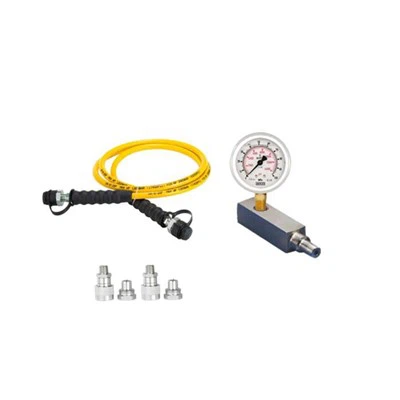
Some hydraulic couplers come with extra features that can increase their cost. For example, a coupler with a built - in Hydraulic Pressure Gauge allows for easy monitoring of the pressure in the hydraulic system. This is a convenient feature, especially in applications where pressure control is critical.
Similarly, a Digital Hydraulic Pressure Gauge provides more accurate and detailed pressure readings. These digital gauges are more advanced and add to the overall price of the coupler. Another additional feature could be a quick - connect mechanism. This allows for faster and easier connection and disconnection of the coupler, but it also adds to the manufacturing cost.
Compatibility and Interchangeability
Hydraulic systems often have different requirements in terms of compatibility. A coupler that is designed to be compatible with a wide range of other components in a hydraulic system is more valuable. It gives the customer more flexibility in their system design. However, achieving this compatibility requires more engineering work and testing.
Interchangeability is also important. If a coupler can be easily replaced with another coupler from a different manufacturer or model, it's more convenient for the customer. But ensuring this interchangeability involves meeting certain industry standards and doing additional research and development, which drives up the cost.
Quantity of Purchase
The quantity of hydraulic couplers you buy can also affect the unit price. Generally, buying in bulk will get you a lower price per coupler. This is because manufacturers can take advantage of economies of scale. When they produce a large number of couplers at once, they can reduce the cost of production per unit.
For example, they can buy raw materials in larger quantities at a discounted price. They can also optimize their production process to be more efficient. So, if you're a large - scale user of hydraulic couplers, you might be able to negotiate a better price by purchasing a larger quantity.
After - Sales Service
Good after - sales service is something that can add to the cost of a hydraulic coupler. A reliable supplier will offer technical support, warranty, and replacement parts. For instance, if you have a problem with a coupler after you've installed it, you want to be able to get help quickly. A supplier that provides 24/7 technical support or a long - term warranty is likely to charge a bit more for their products.
But this extra cost is often worth it. You don't want to be left high and dry if something goes wrong with your hydraulic system. Knowing that you have a supplier who stands behind their product can save you a lot of headaches in the long run.
Conclusion
So, as you can see, there are many factors that affect the cost of hydraulic couplers. From the quality of materials and the manufacturing process to the design complexity and brand reputation, each element plays a role in determining the final price.
If you're in the market for hydraulic couplers and have specific requirements, don't hesitate to reach out to us. We're a supplier with years of experience in the industry, and we can help you find the right coupler at the best price. Whether you need a standard coupler or a custom - designed one, we've got you covered. Contact us to start a conversation about your hydraulic coupler needs and let's work together to find the perfect solution for your application.
References
- "Hydraulic Systems and Components" by John F. Dini
- Industry reports on hydraulic equipment manufacturing
- Technical manuals from leading hydraulic coupler manufacturers