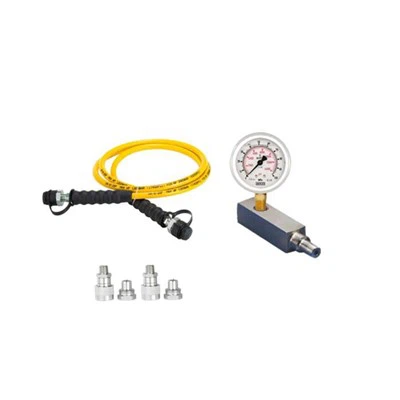
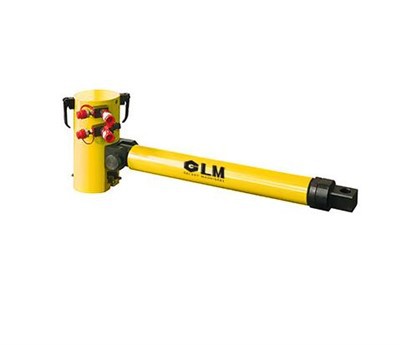
Hey there! As a supplier of Hydraulic Manual Pump, I've been getting a lot of questions lately about the environmental impacts of these pumps. So, I thought I'd sit down and write a blog post to clear things up.
Understanding Hydraulic Manual Pumps
First off, let's talk a bit about what hydraulic manual pumps are. These are pumps that use manual force to generate hydraulic pressure. They're super handy in a bunch of different industries, like construction, automotive, and manufacturing. You can find them in all sorts of applications, from lifting heavy loads to operating machinery.
One of the great things about hydraulic manual pumps is their simplicity. They don't need electricity or any other external power source to work. You just use your own muscle power to get the job done. This makes them really versatile and easy to use in places where you don't have access to power.
Positive Environmental Impacts
Energy Efficiency
One of the biggest environmental benefits of using a hydraulic manual pump is its energy efficiency. Since these pumps don't rely on electricity or fossil fuels, they don't produce any greenhouse gas emissions during operation. This is a huge plus in today's world, where we're all trying to reduce our carbon footprint.
For example, let's say you're working on a small construction site. Instead of using an electric pump that needs to be plugged into the grid, you can use a Lightweight Hydraulic Hand Pump. This not only saves energy but also reduces the demand for electricity, which often comes from non-renewable sources.
Reduced Noise Pollution
Another advantage of hydraulic manual pumps is that they're relatively quiet compared to other types of pumps. Electric pumps and diesel-powered pumps can be really noisy, which can be a nuisance for workers and people in the surrounding area. On the other hand, hydraulic manual pumps operate silently, or at least with very little noise.
This is especially important in urban areas or places where noise restrictions are in place. By using a hydraulic manual pump, you can avoid disturbing the peace and contribute to a more pleasant working environment.
Long Lifespan
Hydraulic manual pumps are built to last. They're made from high-quality materials and are designed to withstand heavy use. This means that you won't have to replace them as often as other types of pumps, which reduces waste and the environmental impact associated with manufacturing and disposing of new equipment.
When you invest in a Lightweight Hydraulic Manual Pump, you're getting a product that will serve you well for many years to come. This not only saves you money in the long run but also helps to conserve resources.
Negative Environmental Impacts
Fluid Leakage
One of the main environmental concerns associated with hydraulic manual pumps is fluid leakage. These pumps use hydraulic fluid to transfer power, and if there's a leak, it can contaminate the soil and water. Hydraulic fluid is often made from petroleum-based products, which are toxic to the environment.
To prevent fluid leakage, it's important to regularly inspect your pump for any signs of damage or wear. Make sure to replace any worn-out seals or hoses as soon as possible. You should also follow the manufacturer's instructions for proper maintenance and use of the pump.
Disposal of Hydraulic Fluid
Another issue is the disposal of hydraulic fluid. When the fluid in your pump reaches the end of its lifespan, you need to dispose of it properly. If you simply pour it down the drain or into the ground, it can cause serious environmental damage.
Most hydraulic fluid can be recycled, so it's a good idea to look for a recycling facility in your area. Some manufacturers also offer take-back programs, where they'll collect the used fluid and recycle it for you. By recycling the hydraulic fluid, you can reduce waste and conserve resources.
Manufacturing Process
The manufacturing process of hydraulic manual pumps also has an environmental impact. The production of the materials used in these pumps, such as steel and aluminum, requires a significant amount of energy and resources. Additionally, the manufacturing process can generate waste and pollution.
However, many manufacturers are taking steps to reduce their environmental impact. They're using more sustainable materials, improving their manufacturing processes to reduce energy consumption and waste, and implementing recycling programs. When choosing a hydraulic manual pump, look for a manufacturer that is committed to sustainability.
Mitigating the Negative Impacts
Proper Maintenance
As I mentioned earlier, proper maintenance is key to preventing fluid leakage and ensuring the long lifespan of your hydraulic manual pump. Make sure to check the fluid level regularly and top it up if necessary. Inspect the hoses, seals, and fittings for any signs of wear or damage, and replace them as needed.
You should also follow the manufacturer's instructions for lubrication and cleaning. Using the right lubricants and cleaning agents can help to prevent corrosion and extend the life of your pump.
Recycling and Reuse
Recycling and reuse are important ways to reduce the environmental impact of hydraulic manual pumps. As I mentioned, you can recycle the hydraulic fluid, but you can also recycle other parts of the pump, such as the metal components.
Some companies also offer remanufacturing services, where they take used pumps, refurbish them, and sell them as good-as-new products. This not only reduces waste but also saves you money.
Choosing a Sustainable Manufacturer
When you're in the market for a hydraulic manual pump, it's important to choose a manufacturer that is committed to sustainability. Look for companies that use sustainable materials, have environmentally friendly manufacturing processes, and offer recycling and take-back programs.


By supporting sustainable manufacturers, you can help to drive the industry towards a more sustainable future.
Conclusion
So, there you have it! The environmental impacts of using a hydraulic manual pump are a mixed bag. On the one hand, these pumps are energy-efficient, produce little noise, and have a long lifespan, which are all great for the environment. On the other hand, there are some potential negative impacts, such as fluid leakage and the disposal of hydraulic fluid.
However, by taking the right steps, such as proper maintenance, recycling, and choosing a sustainable manufacturer, you can minimize the negative impacts and enjoy the many benefits of using a hydraulic manual pump.
If you're interested in learning more about our Hydraulic Manual Pump products or have any questions about their environmental impact, don't hesitate to reach out. We're here to help you make an informed decision and find the right pump for your needs. Let's work together to create a more sustainable future!
References
- "Hydraulic Systems: Principles and Maintenance" by George E. Totten
- "Environmental Impact Assessment: Concepts, Methods, and Case Studies" by Anil Kumar Gupta