Hey there! As a supplier of hydraulic presses, I've seen firsthand how the size of these machines can have a huge impact on their performance. In this blog post, I'm gonna break down the relationship between the size of a hydraulic press and how well it does its job.
Let's start with the basics. A hydraulic press uses hydraulic fluid to generate a compressive force. This force is then used to shape, form, or cut materials. The size of a hydraulic press can refer to a few different things, like its overall dimensions, the size of its platens (the flat surfaces that come into contact with the material), or the amount of force it can generate.
Overall Dimensions
The overall size of a hydraulic press matters a lot, especially when it comes to where you're gonna put it. If you've got a small workshop, a huge press might not fit, and you'll end up with a machine that's just taking up space and causing headaches. On the other hand, if you've got a large industrial facility, a smaller press might not be able to handle the volume of work you need to get done.
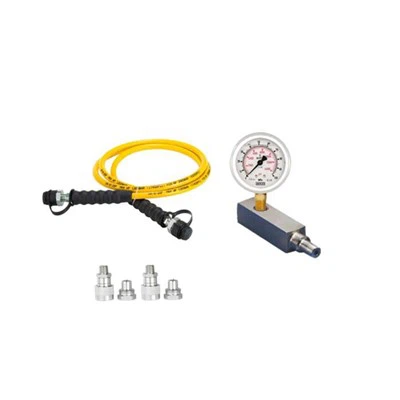
A bigger press usually means more space for loading and unloading materials. This can make the whole production process more efficient, as workers don't have to struggle to fit things in and out of the machine. Plus, a larger press might have more room for additional features, like Hydraulic Hoses or Manifolds, which can enhance its performance.
However, a larger press also comes with some downsides. It's gonna cost more to buy, and it'll take up more floor space. You might also need to invest in a more powerful hydraulic system to run it, which can add to the operating costs.
Platen Size
The size of the platens on a hydraulic press is crucial. It determines the maximum size of the material that the press can work with. If you're working with large sheets of metal or big blocks of plastic, you'll need a press with large platens. Otherwise, you won't be able to apply the force evenly across the material, which can lead to uneven shaping or cutting.
On the flip side, if you're only working with small parts, a press with large platens might be overkill. You'll be paying for a larger machine than you actually need, and you might not be able to get the precision you need for small-scale work.
Force Generation
One of the most important factors when it comes to the performance of a hydraulic press is the amount of force it can generate. This is directly related to the size of the press's hydraulic cylinders. Generally speaking, a larger press will have larger cylinders, which can generate more force.
More force means the press can handle tougher materials and perform more demanding tasks. For example, if you're trying to forge thick steel bars or compress dense materials, you'll need a press with a high force capacity. However, generating more force also requires more energy, which can increase the operating costs.
Another thing to consider is the speed at which the press can generate force. A larger press might take longer to build up the necessary pressure, especially if it has a large hydraulic system. This can slow down the production process, so it's important to find a balance between force and speed.
Impact on Precision
The size of a hydraulic press can also affect its precision. A smaller press might be more precise because it has less mass to move around. This means it can stop and start more quickly, which is important for tasks that require fine control, like stamping small parts or making detailed cuts.
On the other hand, a larger press might be less precise due to its size and weight. It can be more difficult to control the movement of a large machine, especially when it comes to making small adjustments. However, modern technology has made it possible to improve the precision of larger presses through the use of advanced control systems.
Maintenance and Durability
The size of a hydraulic press can have an impact on its maintenance requirements and durability. A larger press generally has more components, which means there are more things that can go wrong. This can lead to higher maintenance costs and more downtime.
However, a well-built larger press can also be more durable. It's designed to handle heavy use and can withstand the wear and tear of industrial environments. Smaller presses, on the other hand, might be more prone to damage if they're used for tasks that are too demanding for their size.
Applications
The size of a hydraulic press also determines its applications. Smaller presses are great for tasks like jewelry making, small-scale metalworking, and prototyping. They're portable and easy to use, making them a popular choice for hobbyists and small businesses.
Larger presses, on the other hand, are used in industries like automotive manufacturing, aerospace, and heavy machinery production. They're capable of handling large volumes of work and can perform tasks that require a high amount of force, like forging and pressing large metal components.
Conclusion
So, as you can see, the size of a hydraulic press has a significant impact on its performance. When choosing a press, it's important to consider your specific needs, including the size of the materials you'll be working with, the amount of force you need, and the level of precision required.
If you're in the market for a hydraulic press, we've got a wide range of options to choose from. Whether you need a small, precise press for your workshop or a large, heavy-duty press for industrial use, we can help you find the right machine for your needs. And don't forget about our Hydraulic Accessories, which can enhance the performance of your press even further.


If you have any questions or want to discuss your requirements in more detail, feel free to reach out. We're here to help you make the best decision for your business.
References
- "Hydraulic Press Technology Handbook"
- Industry research reports on hydraulic press performance and applications