

Troubleshooting an air hydraulic pump is a crucial skill for anyone working with these powerful tools. As a supplier of air hydraulic pumps, I've encountered a wide range of issues over the years. In this blog post, I'll share some common problems and their solutions to help you keep your air hydraulic pump running smoothly.
Understanding the Basics of an Air Hydraulic Pump
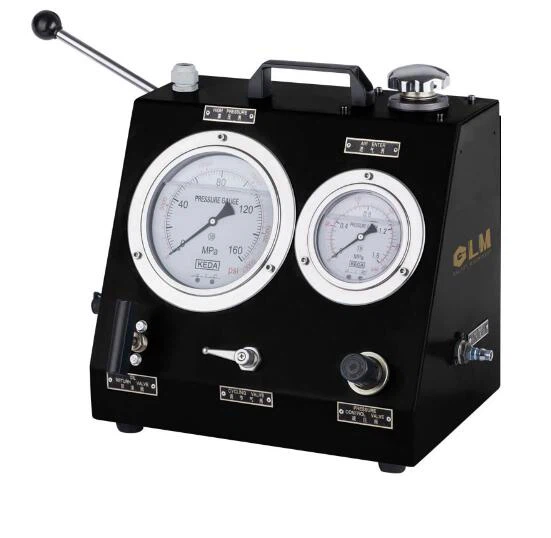
Before we dive into troubleshooting, it's important to have a basic understanding of how an air hydraulic pump works. An air hydraulic pump uses compressed air to generate hydraulic pressure. The compressed air drives a piston, which in turn moves hydraulic fluid through the system. This hydraulic fluid is then used to power various hydraulic tools, such as Air Driven Hydraulic Torque Wrench Pump, Foot Air Hydraulic Pump, and Ultra High Pressure Air Hydraulic Pump.
Common Problems and Solutions
1. Pump Not Starting
- Possible Causes
- Lack of Compressed Air: The most common reason for a pump not starting is a lack of compressed air. Check the air supply line to ensure it is properly connected and that the air compressor is functioning correctly.
- Air Valve Issues: The air valve may be stuck or damaged. Inspect the air valve for any signs of wear or damage and clean or replace it if necessary.
- Low Hydraulic Fluid Level: If the hydraulic fluid level is too low, the pump may not be able to generate enough pressure to start. Check the fluid level in the reservoir and add more fluid if needed.
- Solutions
- Check Air Supply: Make sure the air compressor is turned on and that the air pressure is within the recommended range for the pump. Check for any leaks in the air supply line and repair them if necessary.
- Inspect and Clean the Air Valve: Remove the air valve and clean it with a suitable solvent. Check for any signs of damage, such as cracks or worn seals, and replace the valve if needed.
- Add Hydraulic Fluid: If the fluid level is low, add the recommended type of hydraulic fluid to the reservoir until it reaches the appropriate level.
2. Low Pressure Output
- Possible Causes
- Leaking Hydraulic Lines: A leak in the hydraulic lines can cause a loss of pressure. Check all the hydraulic lines for any signs of leakage, such as wet spots or drips.
- Worn Seals: The seals in the pump or hydraulic components may be worn or damaged, causing a loss of pressure. Inspect the seals for any signs of wear or damage and replace them if necessary.
- Clogged Filters: Clogged filters can restrict the flow of hydraulic fluid, resulting in low pressure output. Check the filters and clean or replace them if they are dirty.
- Solutions
- Repair or Replace Hydraulic Lines: If you find a leak in the hydraulic lines, repair or replace the damaged section of the line. Make sure to use the correct type of hydraulic hose and fittings.
- Replace Worn Seals: Remove the worn or damaged seals and replace them with new ones. Make sure to use the correct size and type of seals for your pump.
- Clean or Replace Filters: Remove the filters and clean them with a suitable solvent. If the filters are severely clogged, replace them with new ones.
3. Excessive Noise or Vibration
- Possible Causes
- Loose Components: Loose bolts, nuts, or other components can cause excessive noise and vibration. Check all the components of the pump and tighten any loose fasteners.
- Air in the Hydraulic System: Air in the hydraulic system can cause cavitation, which results in noise and vibration. Bleed the air from the hydraulic system to eliminate this problem.
- Worn or Damaged Pump Parts: Worn or damaged pump parts, such as pistons or cylinders, can cause excessive noise and vibration. Inspect the pump parts for any signs of wear or damage and replace them if necessary.
- Solutions
- Tighten Loose Components: Use a wrench or socket to tighten any loose bolts, nuts, or other components. Make sure not to overtighten them, as this can cause damage.
- Bleed the Hydraulic System: Follow the manufacturer's instructions to bleed the air from the hydraulic system. This usually involves opening a bleed valve and allowing the air to escape while the pump is running.
- Replace Worn or Damaged Pump Parts: If you find any worn or damaged pump parts, replace them with new ones. Make sure to use the correct parts for your pump.
4. Overheating
- Possible Causes
- Excessive Load: Running the pump under excessive load for an extended period of time can cause it to overheat. Check the load requirements of your hydraulic tools and make sure the pump is rated for the load.
- Poor Ventilation: If the pump is located in an area with poor ventilation, it may not be able to dissipate heat effectively, causing it to overheat. Make sure the pump has adequate ventilation.
- Low Hydraulic Fluid Level or Contaminated Fluid: Low fluid level or contaminated fluid can cause the pump to overheat. Check the fluid level and quality and add or replace the fluid if necessary.
- Solutions
- Reduce the Load: If the pump is overloaded, reduce the load by using a smaller hydraulic tool or by operating the tool at a lower pressure.
- Improve Ventilation: Make sure the pump is located in an area with good ventilation. You can also use a fan to improve air circulation around the pump.
- Check and Replace Hydraulic Fluid: Check the fluid level in the reservoir and add more fluid if needed. If the fluid is contaminated, drain the reservoir and replace the fluid with clean, fresh hydraulic fluid.
Preventive Maintenance
In addition to troubleshooting, preventive maintenance is essential to keep your air hydraulic pump in good working condition. Here are some preventive maintenance tips:

- Regularly Check Fluid Levels: Check the hydraulic fluid level in the reservoir on a regular basis and add more fluid if needed.
- Inspect and Clean Filters: Inspect the filters regularly and clean or replace them as needed to prevent clogging.
- Lubricate Moving Parts: Lubricate the moving parts of the pump, such as pistons and cylinders, according to the manufacturer's recommendations.
- Check for Leaks: Regularly inspect the hydraulic lines and connections for any signs of leakage and repair them immediately.
- Follow the Manufacturer's Instructions: Always follow the manufacturer's instructions for operating and maintaining your air hydraulic pump.
Conclusion
Troubleshooting an air hydraulic pump requires a basic understanding of how the pump works and the ability to identify and solve common problems. By following the tips and solutions outlined in this blog post, you can keep your air hydraulic pump running smoothly and avoid costly downtime. If you have any further questions or need assistance with troubleshooting or maintaining your air hydraulic pump, please don't hesitate to contact us. We're here to help you find the right solutions for your needs and ensure that your hydraulic systems operate at their best. Whether you're in the market for a new Air Driven Hydraulic Torque Wrench Pump, Foot Air Hydraulic Pump, or Ultra High Pressure Air Hydraulic Pump, or you need parts and support for your existing equipment, we're your trusted partner.
References
- Manufacturer's manuals for air hydraulic pumps
- Industry standards and best practices for hydraulic system maintenance


