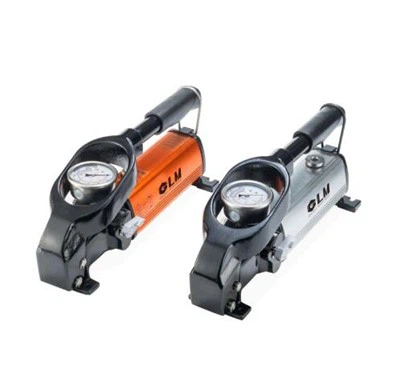
Hey there! As a hydraulic nut splitter supplier, I've seen my fair share of issues with these nifty tools. Hydraulic nut splitters are super useful for removing stubborn nuts, but like any piece of equipment, they can run into problems. In this blog, I'll share some tips on how to troubleshoot a hydraulic nut splitter.
1. No Pressure or Low Pressure
One of the most common problems you might encounter is a lack of pressure or low pressure in your hydraulic nut splitter. Here's what could be causing it and how to fix it.
Check the Hydraulic Fluid
The hydraulic fluid is like the lifeblood of your nut splitter. If the fluid level is low, the splitter won't be able to generate enough pressure. First, locate the fluid reservoir - it's usually a small tank on the side of the splitter. Check the fluid level, and if it's below the recommended mark, add the appropriate hydraulic fluid. Make sure you're using the right type of fluid, as different splitters have different requirements.
Leaky Hoses or Fittings
Leakage is another culprit for low pressure. Inspect all the hoses and fittings for any signs of fluid leakage. Look for damp spots, drips, or puddles of hydraulic fluid around the connections. If you find a leaky hose, you can try tightening the fittings with a wrench. But if the hose is damaged or torn, you'll need to replace it. It's a good idea to keep some spare hoses and fittings on hand, just in case.
Faulty Pump
The pump is responsible for creating the pressure in the hydraulic system. If the pump is malfunctioning, you won't get the required pressure. Listen for any strange noises coming from the pump, like grinding or rattling. These could be signs of internal damage. In some cases, the pump might just need to be primed. Follow the manufacturer's instructions to prime the pump correctly. If the problem persists, it might be time to replace the pump.
2. The Splitter Blade Won't Move
So, you've got pressure in the system, but the splitter blade isn't moving. Here's what you can do.
Blade Jamming
Sometimes, the blade can get jammed due to debris or rust. Inspect the blade area for any foreign objects, like dirt, rust flakes, or shavings. If you find any, use a brush or compressed air to clean the area. You can also try lubricating the blade with a suitable lubricant to help it move more freely.
Incorrect Blade Installation
Make sure the blade is installed correctly. A misaligned or improperly installed blade won't function properly. Refer to the user manual for the correct installation procedure. Double - check that the blade is securely attached and that all the locking mechanisms are in place.
Overloading
If you're trying to split a nut that's too large or too hard for the splitter, it can cause the blade to stop moving. Check the specifications of your nut splitter to see what size and type of nuts it can handle. If you're attempting to split a nut outside of its capacity, you'll need to use a larger or more powerful splitter.
3. Excessive Noise During Operation
Hearing loud or unusual noises when your hydraulic nut splitter is in use can be a sign of trouble.
Air in the System
Air in the hydraulic system can cause a lot of noise. To get rid of the air, you'll need to bleed the system. Find the bleed valve on the splitter, usually located near the pump or on the hydraulic cylinder. Open the bleed valve slightly and operate the splitter a few times. You'll see air bubbles coming out with the hydraulic fluid. Keep doing this until no more air bubbles appear. Then, close the bleed valve tightly.
Worn - Out Components
Over time, some components of the nut splitter can wear out, causing noise. Check the moving parts, like the piston, seals, and bearings. If you notice any signs of wear, such as excessive play, scoring, or damage, replace the worn - out parts.
4. Slow Operation
If your hydraulic nut splitter is operating slower than usual, there are a few things to consider.
Cold Hydraulic Fluid
Hydraulic fluid can thicken in cold temperatures, which can slow down the operation of the splitter. If it's cold outside, try warming up the fluid. You can do this by running the splitter at a low pressure for a few minutes to generate some heat. You can also use a fluid heater if available.
Clogged Filters
Filters in the hydraulic system are designed to keep contaminants out. But over time, they can get clogged, restricting the flow of fluid and causing slow operation. Check the filters and clean or replace them if necessary.
Related Tools
If you're into industrial bolting and flange work, you might also be interested in some of our other great tools:
- Hydraulic Vertical Lifting Wedge Spreader: This tool is ideal for lifting and spreading in tight spaces.
- Hydraulic Flange Alignment Tool: Ensures precise alignment of flanges, making your work much easier.
- Integrated Hydraulic Flange Spreader: A powerful and efficient tool for spreading flanges.
- Hydraulic Flange Spreader: Another great option for flange work.
- Flange Spreader: Simple yet effective for separating flanges.
Conclusion
Troubleshooting a hydraulic nut splitter isn't rocket science. By following these steps, you can identify and fix most common problems. Remember to always refer to the user manual for specific instructions and safety guidelines.
If you're having trouble with your hydraulic nut splitter or looking to purchase a new one, don't hesitate to reach out. We're here to help with all your hydraulic nut splitter needs and can provide you with the best products and advice. Let's get your industrial projects back on track with our top - quality tools.
References
- Manufacturer's user manuals for hydraulic nut splitters
- Industry best practices for hydraulic equipment maintenance