

Handling small tanks with low-pressure contents might seem like a piece of cake at first glance, but trust me, there's more to it than meets the eye. As a supplier of small tanks, I've seen it all - from novice users making simple mistakes to seasoned pros facing unexpected challenges. In this blog, I'm gonna share some tips and tricks on how to handle these small, low-pressure tanks like a pro.
Understanding the Basics
First things first, you gotta understand what makes these small tanks tick. Low-pressure tanks are designed to store and transport substances at pressures lower than their high-pressure counterparts. This could be anything from compressed air to certain types of gases used in industrial processes. The key here is to know the specific properties of the content inside the tank, such as its flammability, toxicity, and reactivity.
For example, if you're dealing with a tank filled with a flammable gas, you need to take extra precautions to prevent any potential ignition sources. On the other hand, a tank containing a toxic substance requires proper handling to avoid any exposure to you or the environment. It's all about being aware of what you're dealing with and taking the necessary steps to ensure safety.
Safety Precautions
Safety should always be your top priority when handling small tanks with low-pressure contents. Here are some essential safety measures you should follow:
- Inspect the Tank Regularly: Before using a tank, make sure to inspect it for any signs of damage, such as dents, cracks, or leaks. A damaged tank can pose a serious safety risk, so it's important to address any issues immediately. You can use a Hydraulic Pressure Gauge to check the pressure inside the tank and ensure it's within the safe range.
- Use the Right Equipment: Always use the appropriate equipment when handling small tanks. This includes using a Hydraulic Press to lift and move the tank safely, as well as using the correct fittings and valves to connect the tank to other equipment. Using the wrong equipment can not only damage the tank but also increase the risk of accidents.
- Store the Tank Properly: When not in use, store the tank in a cool, dry place away from any sources of heat or ignition. Make sure the tank is properly secured to prevent it from tipping over or falling. Additionally, keep the tank away from any corrosive substances that could damage the tank's surface.
- Follow the Manufacturer's Instructions: Every tank comes with a set of instructions from the manufacturer. Make sure to read and follow these instructions carefully to ensure proper handling and maintenance of the tank. The manufacturer's instructions will provide you with important information on how to use the tank safely, as well as any specific precautions you need to take.
Handling and Transporting
Once you've taken the necessary safety precautions, it's time to start handling and transporting the small tank. Here are some tips to help you do it safely and efficiently:
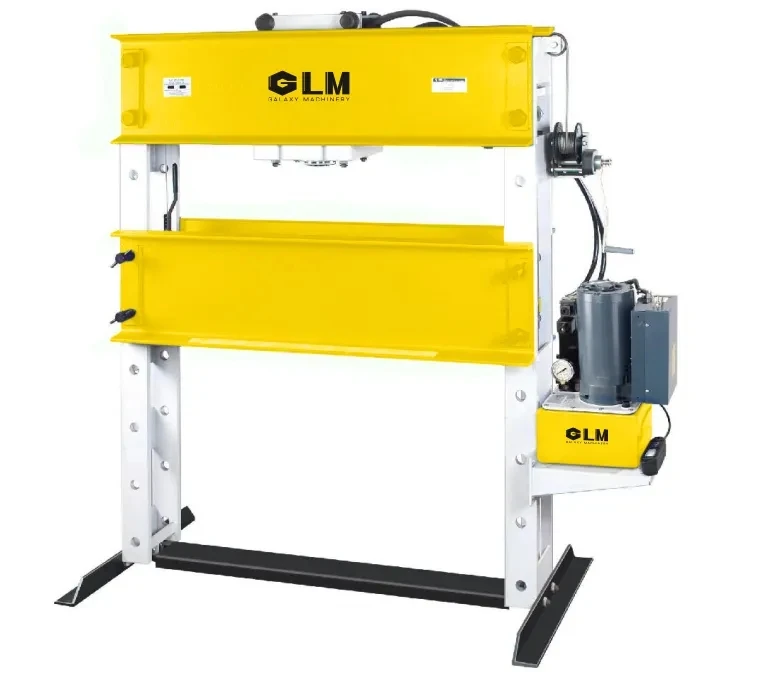

- Lift with Care: When lifting a small tank, use proper lifting techniques to avoid straining your back or causing injury. Bend your knees and keep your back straight when lifting the tank, and use your legs to do the heavy lifting. If the tank is too heavy to lift on your own, use a Hydraulic Press or other lifting equipment to help you.
- Secure the Tank: When transporting the tank, make sure it's properly secured to prevent it from moving around or tipping over. You can use straps or other securing devices to hold the tank in place. Additionally, make sure the tank is placed in a stable position in the vehicle to prevent it from shifting during transport.
- Avoid Rough Handling: When moving the tank, avoid rough handling or dropping it. A rough impact can damage the tank and cause it to leak or rupture. Instead, handle the tank gently and carefully to ensure its integrity.
- Use the Right Transport Method: Depending on the size and weight of the tank, you may need to use a specific transport method. For small tanks, you can usually transport them in a vehicle or on a cart. However, for larger tanks, you may need to use a specialized transport vehicle or equipment. Make sure to choose the right transport method based on the tank's specifications and the distance of transport.
Maintenance and Inspection
Regular maintenance and inspection are crucial to ensure the safe and efficient operation of small tanks with low-pressure contents. Here are some maintenance and inspection tasks you should perform regularly:
- Check the Pressure: Use a Hydraulic Pressure Gauge to check the pressure inside the tank regularly. Make sure the pressure is within the safe range specified by the manufacturer. If the pressure is too high or too low, it could indicate a problem with the tank or the contents inside.
- Inspect the Fittings and Valves: Check the fittings and valves on the tank regularly for any signs of damage or wear. Make sure they're properly tightened and free of leaks. If you notice any issues with the fittings or valves, replace them immediately to prevent any potential leaks or accidents.
- Clean the Tank: Clean the tank regularly to remove any dirt, debris, or contaminants that could affect its performance. You can use a mild detergent and water to clean the tank, and make sure to rinse it thoroughly afterward. Additionally, make sure the tank is dry before using it again.
- Test the Safety Devices: Test the safety devices on the tank, such as the pressure relief valve, regularly to ensure they're working properly. The pressure relief valve is designed to release pressure if it exceeds the safe range, so it's important to make sure it's functioning correctly. If you notice any issues with the safety devices, have them repaired or replaced immediately.
Troubleshooting
Even with proper handling and maintenance, you may still encounter some issues with small tanks with low-pressure contents. Here are some common problems and solutions:
- Leaking Tank: If you notice a leak in the tank, stop using it immediately and isolate the area to prevent any potential hazards. Use a leak detection solution or a Hydraulic Pressure Gauge to locate the source of the leak. If the leak is minor, you may be able to repair it using a sealant or a patch. However, if the leak is significant, you should replace the tank.
- Low Pressure: If the pressure inside the tank is too low, it could indicate a problem with the tank or the contents inside. Check the fittings and valves to make sure they're properly tightened and free of leaks. You can also use a Hydraulic Pressure Gauge to check the pressure and determine if it's within the safe range. If the pressure is still low, you may need to refill the tank or have it inspected by a professional.
- High Pressure: If the pressure inside the tank is too high, it could be dangerous and pose a risk of explosion or rupture. Stop using the tank immediately and isolate the area to prevent any potential hazards. Check the pressure relief valve to make sure it's working properly. If the pressure relief valve is not functioning correctly, have it repaired or replaced immediately. You can also use a Hydraulic Pressure Gauge to monitor the pressure and ensure it's within the safe range.
Conclusion
Handling small tanks with low-pressure contents requires careful attention to safety and proper procedures. By following the tips and guidelines outlined in this blog, you can ensure the safe and efficient operation of these tanks. Remember, safety should always be your top priority, so make sure to take the necessary precautions and follow the manufacturer's instructions.
If you're in the market for small tanks or need any assistance with handling and maintaining them, don't hesitate to reach out. As a supplier of small tanks, I have the expertise and experience to help you find the right solution for your needs. Whether you're looking for a specific type of tank or need advice on how to handle a particular situation, I'm here to help.
So, what are you waiting for? Contact me today to discuss your requirements and let's work together to ensure the safe and efficient handling of your small tanks with low-pressure contents.
References
- American National Standards Institute (ANSI). (Year). Standard for Handling and Storage of Small Tanks.
- Occupational Safety and Health Administration (OSHA). (Year). Guidelines for Working with Low-Pressure Tanks.
- Manufacturer's Instructions for Small Tanks. (Year).


