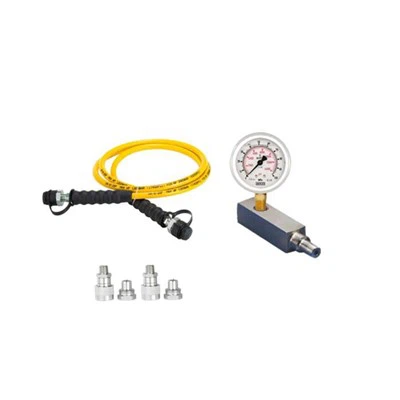
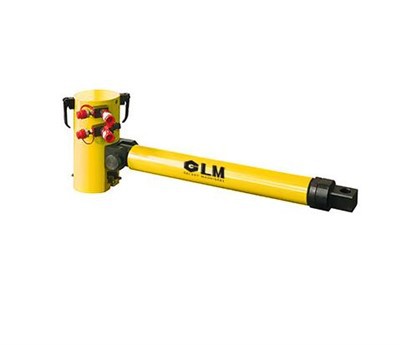
Hey there! As a bolt tensioner supplier, I often get asked this question: "How long does a bolt tensioner last?" Well, it's not a one - size - fits - all answer, and there are quite a few factors that come into play. Let's dig into it.


What's a Bolt Tensioner Anyway?
Before we talk about how long they last, let's quickly go over what a bolt tensioner is. A bolt tensioner is a tool used to apply precise and controlled tension to bolts. It's super important in industries like construction, oil and gas, and power generation. For example, in a large industrial plant, you need to make sure that all the bolts are tightened to the right level to prevent leaks or structural failures. There are different types, like Hydraulic Bolt Tensioner, which use hydraulic pressure to create tension.
Factors Affecting the Lifespan of a Bolt Tensioner
1. Quality of Manufacturing
The first and most obvious factor is the quality of how the bolt tensioner is made. A well - manufactured bolt tensioner from a reputable supplier is likely to last longer. High - quality materials, like strong alloys for the body and precision - machined parts, can make a huge difference. Cheaper, poorly made tensioners might have issues with leaks, wear and tear on the seals, or inaccurate tension readings right from the start.
2. Frequency of Use
How often you use the bolt tensioner matters a lot. If it's used daily in a busy industrial setting, it's going to experience more wear and tear compared to one that's only used occasionally. For instance, in a wind farm, Wind Turbine Bolt Tensioners are used quite frequently during installation and maintenance. These tensioners need to be able to handle a high volume of use without breaking down.
3. Operating Conditions
The environment in which the bolt tensioner operates can also impact its lifespan. If it's used in a harsh environment, like a salt - water coastal area or a dusty mining site, it's going to face more challenges. Corrosion, dirt, and debris can all cause damage to the internal components of the tensioner. On the other hand, if it's used in a clean, climate - controlled workshop, it's likely to last longer.
4. Maintenance and Care
Proper maintenance is key to extending the life of a bolt tensioner. Regular cleaning, lubrication, and inspection can prevent small problems from turning into big ones. For example, checking the seals for leaks, replacing worn - out parts, and calibrating the tensioner regularly can keep it in good working condition. If you neglect maintenance, you're likely to run into issues like inaccurate tensioning, which can be dangerous in some applications.
Typical Lifespan Estimates
It's hard to give an exact number, but on average, a well - maintained bolt tensioner can last anywhere from 5 to 15 years. However, this can vary widely depending on the factors we just discussed.
In a light - use scenario, like a small workshop where the tensioner is used only a few times a month, it could easily last 10 to 15 years. The low frequency of use means less wear and tear on the components.
In a heavy - use industrial environment, where the tensioner is used multiple times a day, it might have a lifespan of 5 to 10 years. Even with proper maintenance, the constant use can take a toll on the seals, pistons, and other parts.
Signs That Your Bolt Tensioner Needs Replacement
There are a few tell - tale signs that your bolt tensioner might be reaching the end of its useful life.
1. Leaking Hydraulic Fluid
If you notice hydraulic fluid leaking from the tensioner, it's a big red flag. Leaks can be caused by worn - out seals or cracks in the body. Not only does this affect the performance of the tensioner, but it can also be a safety hazard.
2. Inaccurate Tension Readings
If the tension readings are inconsistent or inaccurate, it could mean that the internal components of the tensioner are worn out. This can lead to over - or under - tensioning of bolts, which can compromise the integrity of the structure or equipment.
3. Difficulty in Operation
If the tensioner is becoming hard to operate, like it's sticking or requires excessive force to pump, it might be time for a replacement. This could be due to internal damage or excessive wear on the moving parts.
Extending the Lifespan of Your Bolt Tensioner
Here are some tips to help you get the most out of your bolt tensioner:
1. Follow the Manufacturer's Guidelines
The manufacturer's instructions are there for a reason. They provide information on proper use, maintenance, and storage. Make sure you read and follow them carefully.
2. Train Your Operators
Proper training for the operators is essential. They should know how to use the tensioner correctly, how to perform basic maintenance tasks, and how to recognize signs of trouble.
3. Keep It Clean
Regularly clean the tensioner to remove dirt, debris, and any corrosive substances. This can prevent damage to the internal components.
4. Store It Properly
When not in use, store the tensioner in a dry, clean place. If possible, keep it in a protective case to prevent damage.
Why Choose Our Bolt Tensioners
As a supplier, we take pride in offering high - quality bolt tensioners. Our products are made from top - notch materials and are precision - engineered to ensure accurate and reliable performance. We also provide excellent after - sales support, including maintenance tips and replacement parts.
If you're in the market for a new bolt tensioner or need to replace an old one, we'd love to talk to you. Whether you're in the construction, energy, or any other industry that requires precise bolt tensioning, we have the right solution for you. Contact us to discuss your requirements and get a quote. We're here to help you find the best bolt tensioner for your needs and ensure that it lasts as long as possible.
References
- Industry standards for bolt tensioners
- Manufacturer's manuals for various bolt tensioner models
- Case studies on the lifespan of bolt tensioners in different industries