

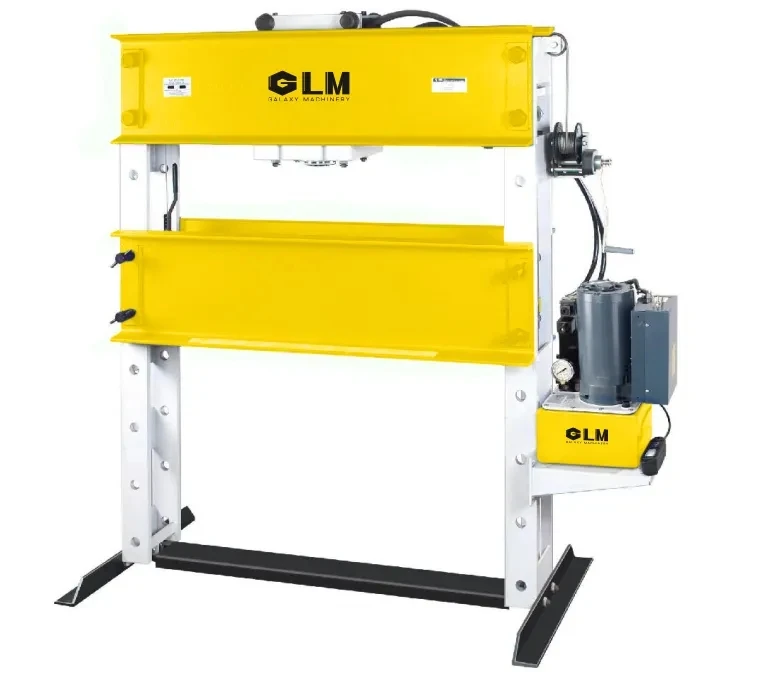
Hey there! As a supplier of Hydraulic Press, I often get asked about how to lubricate a hydraulic press. It's a crucial part of maintaining these machines, so I'm here to break it down for you in a simple way.
First off, let's understand why lubrication is so important. A hydraulic press relies on fluid power to generate force and perform various tasks. Without proper lubrication, the moving parts can wear out quickly, leading to reduced efficiency, increased energy consumption, and even breakdowns. Lubrication helps to reduce friction between the components, prevent corrosion, and keep the press running smoothly.
Step 1: Gather Your Supplies
Before you start lubricating your hydraulic press, you'll need to gather the right supplies. You'll need a high - quality hydraulic oil that is suitable for your specific press model. Check the manufacturer's manual to find out the recommended viscosity and type of oil. You'll also need some clean rags for wiping, a funnel to pour the oil, and a container to collect any old oil that you drain out.
Step 2: Drain the Old Oil
The first step in the lubrication process is to drain the old oil from the hydraulic system. Locate the drain plug on the hydraulic reservoir. Place a container underneath the plug to catch the oil. Slowly remove the drain plug and let the old oil drain out completely. This might take a while, depending on the size of the reservoir. While the oil is draining, you can use a clean rag to wipe any dirt or debris from the outside of the reservoir.
Step 3: Inspect the Filter
The filter in your hydraulic press plays a vital role in keeping the oil clean. After draining the old oil, remove the filter. Inspect it for any signs of damage, clogging, or excessive dirt. If the filter looks dirty or damaged, it's a good idea to replace it. A clogged filter can restrict the flow of oil and cause problems in the hydraulic system. You can find replacement filters at most hydraulic equipment suppliers or directly from the manufacturer of your press.
Step 4: Clean the Reservoir
Once the old oil has drained and you've removed the filter, it's time to clean the reservoir. Use a clean rag to wipe the inside of the reservoir, removing any remaining oil, dirt, or debris. You can also use a mild solvent to clean the reservoir more thoroughly, but make sure to rinse it well with clean water afterward to remove any traces of the solvent. Let the reservoir dry completely before moving on to the next step.
Step 5: Refill with New Oil
Now comes the fun part - refilling the reservoir with new oil. Use a funnel to pour the new hydraulic oil into the reservoir. Make sure to pour the oil slowly to avoid spills. Keep an eye on the oil level indicator on the reservoir to ensure that you don't overfill it. Refer to the manufacturer's manual for the correct oil level for your specific press model.
Step 6: Check for Leaks
After refilling the reservoir, start the hydraulic press and let it run for a few minutes. Check all the connections, hoses, and fittings for any signs of leaks. If you notice any leaks, tighten the connections or replace any damaged hoses or seals. Leaks can not only waste oil but also lead to a loss of pressure in the hydraulic system, affecting the performance of the press.
Step 7: Lubricate Moving Parts
In addition to lubricating the hydraulic system, you also need to lubricate the moving parts of the press, such as the pistons, cylinders, and bearings. Use a suitable lubricant, such as a grease or oil, depending on the type of moving part. Apply the lubricant according to the manufacturer's recommendations. For example, some bearings may require a specific type of grease to be packed into them, while others may need to be lubricated with oil at regular intervals.
Step 8: Regular Maintenance
Lubricating your hydraulic press is not a one - time thing. It's important to establish a regular maintenance schedule. Check the oil level in the reservoir regularly and top it up if necessary. Replace the oil and filter at the recommended intervals to keep the hydraulic system clean and functioning properly. Also, keep an eye on the performance of the press. If you notice any changes in its operation, such as reduced force or unusual noises, it could be a sign of a lubrication problem or other issues.
Additional Equipment for Hydraulic Press Maintenance
When it comes to maintaining your hydraulic press, there are some additional pieces of equipment that can be really helpful. For example, the Medium Split Bearing Heater can be used to heat the bearings before installation, making it easier to fit them onto the shafts. This can reduce the risk of damage to the bearings during the installation process.
Another useful piece of equipment is the Universal Holding Small Tank. This tank can be used to store and transport hydraulic oil, making it more convenient to refill the reservoir when needed. It also helps to keep the oil clean and protected from contaminants.

Conclusion
So there you have it - a step - by - step guide on how to lubricate a hydraulic press. By following these steps and performing regular maintenance, you can ensure that your hydraulic press operates efficiently and has a long lifespan. Remember, proper lubrication is key to the smooth operation of your press, and it can save you a lot of time and money in the long run.
If you're in the market for a new hydraulic press or need any parts or accessories for your existing one, don't hesitate to reach out. We're here to help you find the right solutions for your needs. Whether you're a small - scale workshop or a large industrial facility, we've got the expertise and the products to keep your operations running smoothly. Contact us today to start a conversation about your hydraulic press requirements.
References
- Hydraulic Press Manufacturer's Manuals
- Industry Standards for Hydraulic Equipment Maintenance


