1. Product Overview & Core Specifications
The XLCT series is a full line of square drive hydraulic torque wrenches designed for versatile heavy-duty bolting tasks.
Key Technical Parameters
Torque Output Range: 112 N·m to 72,000 N·m, covering bolt sizes from M14 to M125
Square Drive Size: 3/4 inch to 2-1/2 inch, compatible with standard impact sockets for various nut dimensions
Maximum Working Pressure: 700 bar (10,000 psi), matching industry-standard hydraulic torque wrench pumps
Torque Accuracy: ±3% of set value, ensuring consistent preload precision across all operating cycles
Loosening Capacity: Approximately 150% of rated tightening torque, capable of breaking seized and over-tightened fasteners
Core Design Advantages
High strength-to-weight ratio: The compact, optimized body structure maximizes mechanical strength while minimizing overall weight, reducing operator fatigue during on-site use.
Aerospace alloy construction: The wrench body is forged from high-strength, lightweight aircraft-grade aluminum alloy, delivering exceptional durability and impact resistance under harsh working conditions.
360° swivel manifold: The dual-axis (360° X-axis / 180° Y-axis) hydraulic swivel joint allows flexible hose positioning in confined spaces, with quick-connect couplings for fast setup.
Extended service life: Designed for high-cycle operation, the internal drive mechanism delivers 2–3 times longer service life compared to conventional hydraulic torque wrench designs.
Anti-reverse pawl system: The precision anti-reverse ratchet mechanism prevents torque backslip, improves preload accuracy, and enables smooth, controlled bolt advancement.
Dual-acting high-speed operation: Double-acting hydraulic design delivers both fast advance and retract strokes, significantly improving on-site bolting efficiency.
Superior corrosion resistance: Surface oxidation treatment provides reliable protection against rust and corrosion, suitable for offshore, humid, and chemically aggressive environments.
2. Standard Operation Guidelines
Proper operation is essential to ensure bolting quality, personnel safety, and tool longevity.
2.1 Pre-Operation Preparation
Job site assessment: Verify that the working area has stable footing, adequate lighting, and sufficient clearance for the reaction arm to rest against a solid, flat reaction surface.
Tool inspection: Check the wrench body, swivel joint, and hydraulic hoses for cracks, leaks, or visible damage. Confirm that the square drive size matches the selected impact socket.
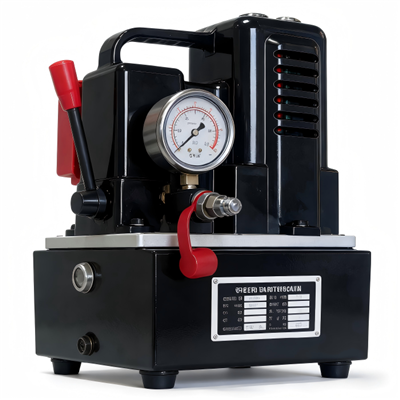
Hydraulic system setup: Connect the wrench to a compatible hydraulic torque wrench pump using the quick-connect couplings. Ensure all connections are fully seated and locked to prevent accidental disconnection under pressure.
Pressure calibration: Set the hydraulic pump pressure to match the required torque value, referring to the official torque-pressure calibration chart for the specific XLCT model.
Personal protective equipment: Operators must wear safety glasses, protective gloves, and steel-toe footwear. Never stand in line with the reaction arm during operation.
2.2 Step-by-Step Operating Procedure
Socket installation: Slide the correct size impact socket onto the square drive, and secure it with the retaining pin and retaining ring.
Positioning: Place the socket fully over the nut, and position the reaction arm firmly against a rigid adjacent surface. Ensure full contact between the reaction arm and the reaction point to prevent slippage.
System bleeding: Cycle the pump briefly at low pressure to purge air from the hydraulic circuit. Repeat 2–3 times until smooth, consistent wrench movement is achieved.
Tightening operation: Gradually increase pump pressure to the preset value. For multi-bolt flanges, follow the approved cross-tightening sequence to ensure uniform bolt load distribution. For critical joints, perform the tightening in at least two passes.
Loosening operation: For bolt disassembly, set the pump to full operating pressure. The XLCT series delivers approximately 150% of rated tightening torque for breakout force.
Post-operation retraction: Release pressure and allow the wrench to fully retract before repositioning for the next bolt. Never force or pry the wrench off the nut while under hydraulic pressure.
2.3 Critical Safety Precautions
Never exceed the maximum 700 bar operating pressure.
Never use damaged, cracked, or incorrectly sized sockets.
Keep hands and body parts clear of pinch points between the reaction arm and reaction surface.
Do not use extensions or adapters on the square drive unless explicitly approved by the manufacturer.
Always depressurize the hydraulic system before disconnecting hoses, changing sockets, or performing adjustments.
3. Maintenance & Care
Regular preventive maintenance preserves torque accuracy, extends service life, and prevents unexpected on-site failures.
3.1 Daily Maintenance
After each use, wipe dirt, grease, and debris from the wrench body, drive mechanism, and swivel joint with a clean cloth.
Inspect hydraulic hoses for cuts, abrasions, or bulging. Replace damaged hoses immediately.
Verify that quick-connect couplings are clean and free of foreign particles. Apply a light coat of hydraulic oil to coupling seals before storage.
3.2 Periodic Servicing
Lubrication: Every 50 operating cycles, apply high-quality molybdenum disulfide grease (NLGI #2) to the ratchet pawl, drive gear, and square drive splines.
Hydraulic oil replacement: Change the hydraulic oil in the pump every 40 operating hours or every 6 months, whichever comes first. Use anti-wear hydraulic oil with ISO VG 46 viscosity grade.
Seal inspection: Every 100 operating cycles, inspect internal seals for wear or leakage. Replace the complete seal kit if any oil seepage is detected at the swivel joint or cylinder.
Torque calibration: Recalibrate the torque output annually or after 500 operating cycles to maintain ±3% accuracy. Calibration should be performed by a qualified service center with traceable torque measurement equipment.
3.3 Long-Term Storage
Clean the wrench thoroughly and apply a thin protective film of anti-corrosion oil to all metal surfaces.
Store the tool in its original protective carrying case, in a dry, cool, dust-free environment away from direct sunlight and chemical vapors.
Relieve all hydraulic pressure before storage. Do not store the wrench with the cylinder fully extended or under residual pressure.
3.4 Common Troubleshooting
表格
| Symptom | Possible Cause | Recommended Action |
|---|---|---|
| Insufficient torque output | Low pump pressure; worn internal seals; air in the system | Verify pump pressure setting; bleed air from circuit; inspect and replace seals |
| Slow wrench operation | Low oil level; clogged filter; worn pump | Check and refill hydraulic oil; clean or replace filter; service pump unit |
| Ratchet slipping or skipping | Worn pawl or ratchet teeth; insufficient lubrication | Inspect ratchet mechanism; apply moly grease; replace worn components |
| Hydraulic oil leakage | Loose couplings; damaged seals; cracked hose | Tighten couplings; replace seal kit; replace damaged hose assembly |
4. Industry Development Prospect
Hydraulic torque wrenches remain indispensable precision tools for heavy industrial assembly and maintenance. The XLCT series, with its high performance and reliability, aligns well with key industry trends.
4.1 Growing Demand Across Core Sectors
Oil & Gas: Accountable for approximately 32% of global hydraulic torque wrench demand. Pipeline construction, refinery maintenance, and offshore platform commissioning require high-precision bolted joint technology. As global energy infrastructure investment recovers, demand for high-torque bolting tools continues to rise.
Power generation: Thermal power, nuclear power, and hydropower plants rely on hydraulic torque wrenches for turbine assembly, boiler maintenance, and flange connections. The global power equipment upgrade cycle drives steady market growth.
Wind energy: The rapid expansion of onshore and offshore wind farms creates strong demand for heavy-duty bolting tools. Wind turbine foundation bolts, tower flanges, and blade fasteners all require controlled, accurate torque application.
Heavy machinery & shipbuilding: Mining equipment, metallurgical machinery, and large vessel construction depend on hydraulic torque wrenches for structural bolt assembly, supporting the ongoing upgrade of global heavy manufacturing.
4.2 Market Growth Trend
The global hydraulic torque wrench market is projected to maintain a compound annual growth rate of approximately 11% through 2030. Key growth drivers include:
Continuous infrastructure renewal in mature industrial economies
Large-scale energy and industrial projects in emerging markets
Rising industrial safety standards, which mandate precision torque control for critical bolted joints
Growing demand for scheduled maintenance and condition-based maintenance services
4.3 Technology Development Direction
Digitalization and intelligence: Next-generation torque wrenches will integrate digital torque sensors, data logging, and wireless connectivity, enabling real-time torque monitoring, traceability, and quality management.
Lightweight design: Advanced materials such as high-strength aluminum alloys and titanium alloys will further reduce tool weight, improving ergonomics and on-site operability.
Automated bolting systems: Integrated robotic bolting solutions will gain traction in mass-production assembly lines and repetitive maintenance scenarios.
Sustainability: Energy-efficient hydraulic systems and biodegradable hydraulic fluids will become industry standards, supporting industrial decarbonization goals.
4.4 Outlook for the XLCT Series
With its robust mechanical design, wide torque range, and excellent durability, the XLCT series is well positioned to serve the growing global industrial bolting market. As industries increasingly prioritize joint integrity, workplace safety, and maintenance efficiency, the XLCT square drive hydraulic torque wrench will continue to be a preferred tool for on-site construction, routine maintenance, and emergency repair projects worldwide.
Conclusion
The XLCT square drive hydraulic torque wrench combines precision, durability, and operational flexibility, making it a reliable solution for heavy industrial bolting applications. By following standardized operating procedures and implementing systematic preventive maintenance, users can maximize tool performance, ensure bolting quality, and extend service life.
Against the backdrop of expanding global energy infrastructure, industrial upgrading, and rising safety standards, the demand for professional hydraulic bolting tools will continue to grow. The XLCT series, with its proven technical advantages and adaptable design, is set to play an increasingly important role across a wide range of industrial sectors.