1. Pre-Operation Safety Checks: Before You Lift
Verify Load Capacity Compatibility
Never exceed the rated capacity of your jack (50T or 100T for our JCJ series). Confirm the weight of the load you intend to lift and ensure it falls within the jack's specifications. Overloading can cause catastrophic failure.
Inspect the Jack's Structure and Components
- Check for visible damage: cracks, dents, or bent parts on the frame, cylinder, base plate, and wheels.
- Inspect the hydraulic hoses, fittings, and pump for leaks, wear, or loose connections. Even small leaks can lead to pressure loss and sudden load drops.
- Test the hydraulic control check valve (pressure self-locking feature) by applying light pressure and confirming the load holds steady without creeping down.
- Ensure all bolts, fasteners, and wheel components are tight and secure.
Prepare the Work Area
- Position the jack on a flat, level, stable surface capable of supporting both the jack and the full load weight. Avoid soft ground, uneven terrain, or sloped surfaces that could cause the jack to tip.
- Clear the area of debris, obstacles, and personnel not involved in the lifting operation. Establish a safety perimeter around the work zone.
- Confirm the jack's wheels are locked or positioned to prevent unintended movement during use.
2. Safe Operation: Step-by-Step Best Practices
Position the Jack Correctly
Align the jack directly under the load's designated lifting points. The large base cushion of our JCJ jacks provides stability, but always center the load over the cylinder to prevent side loading, which can damage the cylinder or cause the load to shift.
Perform a Test Lift First
Lift the load just a few centimeters off the ground, then pause. Check:
- The load is stable and balanced.
- The jack shows no signs of tilting, leaking, or abnormal movement.
The check valve holds the load securely.
If any issues arise, lower the load immediately and address the problem before proceeding.
Control the Lifting Speed
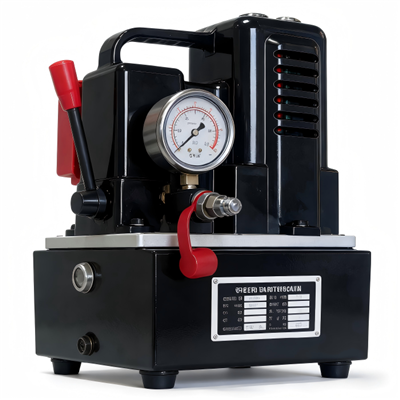
Operate the electric pump at a controlled, steady pace. Avoid sudden, jerky movements that can destabilize the load. Our JCJ series jacks have specific load/no-load speeds (0.05–0.95 mm/s) – stick to these controlled rates for safe, predictable lifting.
Never Leave a Lifted Load Unattended
Once the load is at the desired height, use appropriate mechanical supports (e.g., jack stands, cribbing) rated for the full load capacity to secure the load. The hydraulic jack is designed for lifting, not long-term load holding. Never work under a load supported only by the jack.
Maintain a Safe Distance
Keep your body, hands, and feet clear of the load and the jack's moving parts during operation. Avoid reaching under the load or standing in the line of fire (where the load could fall if it shifts).
3. Emergency Safety Procedures
- If the load begins to drop or creep: Stop operation immediately. If the check valve is working, the load should hold. If not, carefully lower the load (if possible) and inspect the jack for leaks or valve failure. Do not attempt to repair the jack while under load.
- If the jack tilts or shifts: Stop lifting immediately. Lower the load slowly and reposition the jack on a stable, level surface before resuming.
- In case of power loss: The hydraulic check valve provides pressure self-locking, so the load should remain held in place. Do not attempt to move the jack or work under the load until power is restored and the system is stable.
4. Post-Operation Care & Storage
Lower the Load Fully
After use, completely retract the cylinder and relieve all hydraulic pressure before moving or storing the jack. Never store the jack with the cylinder extended.
Clean and Inspect Again
Wipe down the jack to remove dirt, debris, and moisture. Inspect for any new signs of wear, leaks, or damage that may have occurred during use.
Store in a Dry, Secure Location
Keep the jack in a covered, dry area away from extreme temperatures, corrosive materials, or heavy objects that could damage it. For our mobile jacks, ensure the wheels are protected and the handle is secured to prevent accidental movement.
Schedule Regular Servicing
Follow the manufacturer's recommended maintenance schedule. Our modular design allows for easy removal of the cylinder and pump for professional inspection, hydraulic fluid changes, and component replacement as needed.
5. Critical Safety Don'ts
- Use the jack for lifting people or supporting a vehicle while someone is underneath it without additional safety supports.
- Modify or alter the jack's structure, valve system, or capacity in any way.
- Use the jack if it shows signs of damage, leaks, or malfunction.
- Exceed the rated stroke or capacity of the jack.
- Drag or drop the jack, which can damage the frame, wheels, or hydraulic components.