Industrial maintenance, especially in automotive and heavy machinery sectors, frequently involves the precise handling of tapered roller bearings. Traditional methods for installing or removing these components often risk damage to bearings or shafts, leading to costly downtime. Hydraulic Bearing Puller Pushers address these challenges by integrating hydraulic power with ergonomic design, enabling seamless and efficient bearing operations. Engineered to meet the stringent requirements of major bearing manufacturers, these tools have become indispensable in wheel shops and industrial repair facilities worldwide.
Table of Contents
1.Efficient Dismantling & Installation of Tapered Bearings
2.Customized Hydraulic Power: From 100 Ton to Bespoke Solutions
3.Portable Single-Unit Design: Space Optimization & Accessibility
4.Industry-Endorsed Safety & Operational Best Practices
1. Efficient Dismantling & Installation of Tapered Bearings
Hydraulic Bearing Puller Pushers are specifically engineered to handle tapered roller bearings-a common yet challenging component in wheel hubs and gearboxes. Unlike manual pullers requiring excessive force, these tools use controlled hydraulic pressure to extract or install bearings without marring surfaces or distorting shafts. The dual-function design (pull/push) allows:
• Minimized Component Damage: Even force distribution prevents bearing race fractures.
• Time Efficiency: Operations completed in minutes versus hours with traditional methods.
• Versatility: Compatible with diverse bearing sizes through adjustable jaws or adapters.
This precision is critical for industries like automotive manufacturing, where bearing integrity directly impacts machinery longevity.
2. Portable Single-Unit Design: Space Optimization & Accessibility
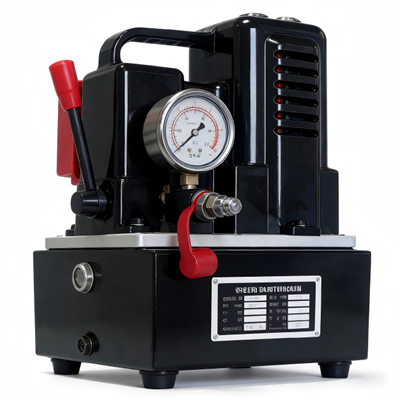
A standout innovation is the integrated, portable design. Unlike bulky modular systems, these puller/pushers consolidate all components-hydraulic pump, cylinder, and puller arms-into a single compact unit. This offers:
• Storage Efficiency: 60% less space than traditional kits.
• On-Site Maneuverability: Lightweight construction enables use in confined workshop areas.
• Rapid Deployment: No assembly required; operators position the tool directly onto bearings.
For wheel shops with limited workspace, this design significantly enhances workflow efficiency.
3. Industry-Endorsed Safety & Operational Best Practices
Safety is paramount in high-tension bearing operations. Leading Hydraulic Bearing Puller Pushers incorporate:
• Locking Mechanisms: Secure jaws during operation to prevent slippage.
• Oil-Sealed Components: Eliminate leakage risks and ensure consistent hydraulic pressure.
• Ergonomic Handles: Reduce operator fatigue during prolonged use.
Best practices for optimal performance:
1. Pre-Operation Inspection: Check hydraulic hoses and jaw integrity.
2. Force Calibration: Align tool capacity with bearing specifications (e.g., 50T for large gear pulleys).
3. Training Protocols: Ensure technicians understand hydraulic controls and safety valves.
Conclusion
Hydraulic Bearing Puller Pushers exemplify innovation in industrial maintenance, merging power, precision, and portability to redefine tapered bearing handling. By enabling damage-free operations, reducing labor time by up to 70%, and adapting to bespoke force requirements, they have cemented their role as foundational equipment in wheel shops and beyond. Investing in these tools transcends productivity-it signifies a commitment to operational excellence and worker safety in high-stakes industrial environments.