Hey there! As a supplier of vehicle pullers, I often get asked about the pulling capacity of small vehicle pullers. So, I thought I'd take a moment to break it down for you.
First off, let's understand what a small vehicle puller is. It's a handy piece of equipment used for various tasks like removing gears, bearings, and other components from vehicles. They come in different types and models, each with its own set of features and capabilities.
Factors Affecting Pulling Capacity
The pulling capacity of a small vehicle puller isn't set in stone. It depends on several factors. One of the main factors is the design and construction of the puller. A well - built puller with high - quality materials is likely to have a better pulling capacity. For example, if the puller has a strong frame and robust jaws, it can handle more force.
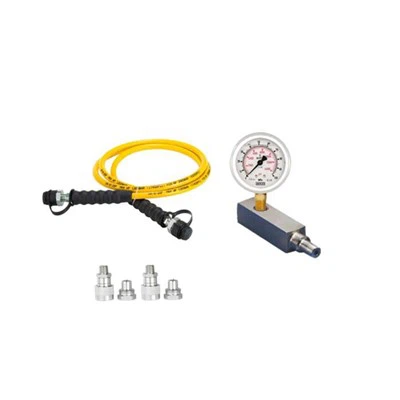
Another factor is the type of pulling mechanism. Some pullers use hydraulic systems, while others rely on mechanical force. Hydraulic pullers generally offer higher pulling capacities because they can generate a lot of force with relatively little effort. The pressure that the hydraulic pump can generate directly impacts how much weight or resistance the puller can overcome.
The size of the puller also matters. Smaller pullers are usually designed for lighter - duty tasks. They might have a pulling capacity ranging from a few hundred pounds to a couple of thousand pounds. Larger pullers, on the other hand, can handle much heavier loads.
Common Pulling Capacities of Small Vehicle Pullers
Let's talk numbers. For the really small, handheld mechanical pullers, you're looking at a pulling capacity of around 500 - 1500 pounds. These are great for minor jobs like removing small bearings from a car's engine or a small gear from a transmission.
If you step up to small hydraulic pullers, the capacity can go up significantly. A basic small hydraulic puller might have a pulling capacity of 2000 - 5000 pounds. These are suitable for more demanding tasks such as removing larger bearings or pulling out stubborn components from a vehicle's drivetrain.
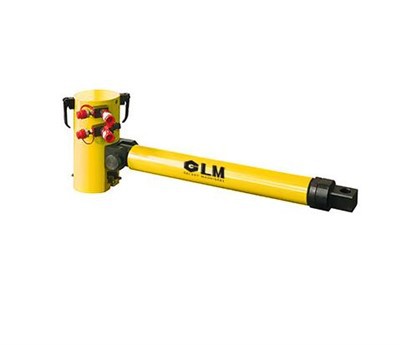
There are also some specialized small vehicle pullers that can handle even more. For instance, the PH Series Vehicle Mounted Hydraulic Puller is designed to be mounted on a vehicle and is capable of handling relatively large - scale pulling jobs. It can have a pulling capacity of up to 8000 pounds or more, depending on the specific model.
The DBL Series Automatic Lifting Hydraulic Puller is another great option. This puller combines the benefits of automatic lifting and hydraulic power. It can have a pulling capacity in the range of 3000 - 6000 pounds, making it ideal for a variety of vehicle repair and maintenance tasks.
The Vehicle - Mounted Hydraulic Cam Dismounting Puller is specifically designed for cam dismounting in vehicles. It usually has a pulling capacity that's sufficient to handle the forces required to remove cams, typically in the 2000 - 5000 - pound range.
Why Pulling Capacity Matters
You might be wondering why the pulling capacity is such a big deal. Well, if you use a puller with a pulling capacity that's too low for the job, you won't be able to get the component out. You could end up damaging the puller, the component you're trying to remove, or even the vehicle itself.
On the other hand, using a puller with a much higher capacity than you need can be overkill. It might be more expensive, bulkier, and harder to handle. So, it's crucial to choose a puller with the right pulling capacity for the specific task at hand.


How to Determine the Right Pulling Capacity
To figure out the right pulling capacity for your needs, you first need to know what you'll be using the puller for. If you're mainly working on small cars and doing basic maintenance like changing bearings, a puller with a capacity of 1000 - 3000 pounds should be sufficient.
If you're dealing with larger vehicles like trucks or SUVs, or if you're doing more heavy - duty work like transmission repairs, you'll probably need a puller with a capacity of 5000 pounds or more.
It's also a good idea to consider any future needs. If you think you might be taking on more challenging jobs down the road, it might be worth investing in a puller with a higher pulling capacity.
Our Range of Small Vehicle Pullers
As a vehicle puller supplier, we offer a wide range of small vehicle pullers to meet different needs. Whether you're a DIY enthusiast working on your car in the garage or a professional mechanic in a busy repair shop, we've got you covered.
Our pullers are made from high - quality materials and are designed to be durable and reliable. We understand that when you're in the middle of a job, you need equipment that you can trust. That's why we test all our pullers to ensure they meet the highest standards of performance.
Conclusion
In conclusion, the pulling capacity of a small vehicle puller can vary widely depending on several factors. It's important to understand these factors and choose the right puller for your specific needs. Whether you need a small mechanical puller for light - duty tasks or a high - capacity hydraulic puller for heavy - duty jobs, we have the right solution for you.
If you're interested in learning more about our vehicle pullers or are ready to make a purchase, don't hesitate to reach out. We're here to help you find the perfect puller for your requirements. Let's start a conversation and get you the equipment you need to get the job done right.
References
- Automotive Repair Manuals
- Industry reports on vehicle puller technology