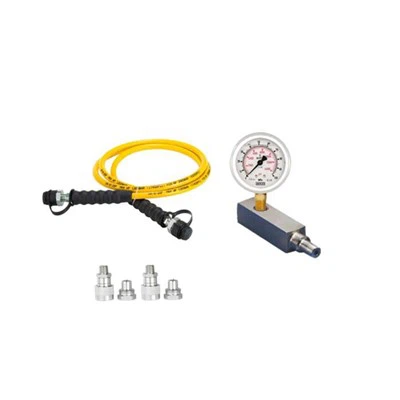
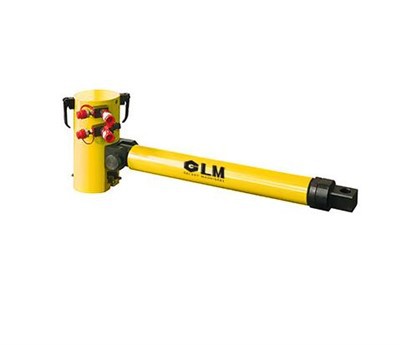
In the world of heavy - duty lifting and industrial applications, hydraulic claw jacks stand out as indispensable tools. As a supplier of Hydraulic Claw Jack, I've witnessed firsthand the critical role these devices play in various sectors, from automotive repair shops to large - scale manufacturing plants. One of the most frequently asked questions about hydraulic claw jacks is regarding the precision of their hydraulic control. In this blog post, I aim to delve deep into this topic, exploring what precision means in the context of hydraulic claw jacks, the factors that influence it, and why it matters in real - world applications.
Understanding Hydraulic Control Precision in Hydraulic Claw Jacks
Precision in hydraulic control refers to the ability of a hydraulic system to accurately control the movement, force, and position of the hydraulic claw jack. When a user operates a hydraulic claw jack, they expect to be able to lift a load to a specific height, apply a precise amount of force, and hold the load steadily in place. This requires a high level of control over the hydraulic fluid flow, pressure, and the mechanical components of the jack.
Let's break down the key aspects of precision in hydraulic control:


1. Positioning Precision
Positioning precision is about how accurately the hydraulic claw jack can lift or lower a load to a desired height. In many industrial applications, such as aligning heavy machinery parts during assembly, even a small deviation in height can lead to significant problems. A high - precision hydraulic claw jack can be controlled to lift a load to within a few millimeters of the target height. This is achieved through a combination of well - designed hydraulic cylinders, accurate pressure sensors, and sophisticated control valves.
2. Force Precision
Force precision is equally important, especially when dealing with delicate or sensitive loads. For example, in the automotive industry, when lifting a vehicle for repair, too much force could damage the vehicle's frame, while too little force might not be sufficient to lift the vehicle. A hydraulic claw jack with good force precision can apply a specific amount of force, which is often measured in tons or kilograms, with a high degree of accuracy. This is accomplished by precisely regulating the hydraulic pressure within the system.
3. Stability and Holding Precision
Once the load is lifted to the desired height and the required force is applied, the hydraulic claw jack needs to hold the load steadily in place. Stability and holding precision are crucial to prevent any accidental movement or dropping of the load, which could pose a serious safety risk. This involves maintaining a constant hydraulic pressure and ensuring that the mechanical components, such as the claws and the lifting mechanism, are properly engaged and locked.
Factors Influencing the Precision of Hydraulic Control
Several factors can affect the precision of hydraulic control in a hydraulic claw jack. Understanding these factors is essential for both users and suppliers to ensure optimal performance.
1. Quality of Hydraulic Components
The quality of the hydraulic components, such as the hydraulic cylinder, pump, valves, and hoses, plays a significant role in determining the precision of the hydraulic control. High - quality components are designed to have tight tolerances, which means they can operate more accurately. For example, a well - made hydraulic cylinder will have a smooth inner surface, which reduces friction and allows for more precise movement of the piston. Similarly, high - quality valves can control the flow of hydraulic fluid more accurately, leading to better positioning and force control.
2. Hydraulic Fluid Properties
The properties of the hydraulic fluid, such as viscosity, density, and compressibility, also impact the precision of hydraulic control. Viscosity affects the flow rate of the fluid through the hydraulic system. If the viscosity is too high, the fluid may not flow smoothly, leading to sluggish operation and reduced precision. On the other hand, if the viscosity is too low, there may be leakage and loss of pressure, which can also affect the performance of the hydraulic claw jack. Additionally, the compressibility of the hydraulic fluid can cause a delay in the response of the system, especially when sudden changes in pressure or force are required.
3. Design and Engineering of the Jack
The overall design and engineering of the hydraulic claw jack are crucial for precision. A well - designed jack will have a balanced structure, which helps to distribute the load evenly and reduces the risk of uneven movement. The layout of the hydraulic system, including the placement of the cylinders, valves, and hoses, can also affect the precision of control. For example, a compact and well - organized hydraulic system can minimize the length of the fluid paths, reducing the chances of pressure losses and improving the responsiveness of the system.
4. Operator Skill and Training
The skill and training of the operator can have a significant impact on the precision of hydraulic control. An experienced operator will know how to operate the hydraulic claw jack correctly, including how to adjust the pressure, control the flow of fluid, and handle different types of loads. They will also be able to detect any potential problems early and take appropriate measures to ensure the safety and precision of the operation.
Importance of Precision in Real - World Applications
The precision of hydraulic control in a hydraulic claw jack is not just a technical specification; it has real - world implications in various industries.
1. Safety
Safety is the most important consideration in any lifting operation. A hydraulic claw jack with high precision can help to prevent accidents by ensuring that the load is lifted and held securely. For example, in a construction site, where heavy building materials need to be lifted to different heights, a precise hydraulic claw jack can reduce the risk of the load slipping or falling, protecting the workers and the surrounding environment.
2. Efficiency
Precision also leads to increased efficiency. When a hydraulic claw jack can lift a load to the exact height and apply the right amount of force on the first try, it saves time and reduces the need for repeated adjustments. This is particularly important in industries where time is of the essence, such as manufacturing and logistics.
3. Quality of Work
In applications where precision is crucial for the quality of the work, such as in the aerospace or electronics industries, a high - precision hydraulic claw jack is essential. For example, when assembling delicate electronic components, a small deviation in the lifting height or force could damage the components, leading to defective products.
Related Hydraulic Products
In addition to Hydraulic Claw Jack, our company also offers other high - quality hydraulic products, such as Hydraulic Pusher and RSM Hydraulic Cylinder And Manual Pump Set. These products are designed with the same focus on precision and reliability, and they can complement the use of hydraulic claw jacks in various applications.
Conclusion
The precision of hydraulic control in a hydraulic claw jack is a complex but crucial aspect that affects the safety, efficiency, and quality of work in many industries. By understanding the factors that influence precision, such as the quality of components, hydraulic fluid properties, design, and operator skill, users can make informed decisions when choosing a hydraulic claw jack. As a supplier, we are committed to providing high - precision hydraulic claw jacks and related products to meet the diverse needs of our customers.
If you are interested in our Hydraulic Claw Jack or other hydraulic products, please feel free to contact us for more information and to discuss your specific requirements. We look forward to working with you to find the best hydraulic solutions for your applications.
References
- Norton, R. L. (2006). Machine Design: An Integrated Approach. Prentice Hall.
- Spotts, M. F., Shoup, T. E., & Zaveri, A. (2004). Design of Machine Elements. Prentice Hall.
- Lindeburg, M. R. (2006). Mechanical Engineering Reference Manual for the PE Exam. Professional Publications.