

Hey there! As a bearing heater supplier, I'm super stoked to chat with you about the different types of bearing heaters out there. It's crucial to understand these types so you can pick the right one for your specific needs. Let's dive in!
Induction Bearing Heaters
Induction bearing heaters are a real game - changer in the industry. They work on the principle of electromagnetic induction. When you turn on an induction bearing heater, an alternating current passes through a coil, creating a magnetic field. This magnetic field then induces an electric current in the bearing, which generates heat due to the electrical resistance of the bearing material.
One of the biggest advantages of induction bearing heaters is their speed. They can heat bearings up really quickly, which saves a ton of time in industrial settings. For example, if you're working in a factory where you need to install multiple bearings every day, an induction bearing heater can get the job done in no time.
Another great thing about them is their precision. You can control the temperature accurately, which is essential because over - heating a bearing can damage it. Most induction bearing heaters come with temperature sensors and controls, allowing you to set the exact temperature you need.
However, induction bearing heaters can be a bit pricey. They're a significant investment, but if you use them frequently, the time and labor savings make it worth it. And don't worry, as a supplier, I can help you find the best induction bearing heater that fits your budget.
Oil Bath Bearing Heaters
Oil bath bearing heaters have been around for a long time. They work by submerging the bearing in a bath of heated oil. The oil transfers heat to the bearing, gradually expanding it so it can be easily installed.
The main advantage of oil bath bearing heaters is their simplicity. They're relatively easy to operate, and you don't need any high - tech knowledge to use them. They're also pretty affordable compared to induction bearing heaters. If you have a small - scale operation or a limited budget, an oil bath bearing heater could be a great choice.
But there are some downsides. Oil bath heaters are slow. It takes a while for the oil to heat up and transfer the heat to the bearing. Also, there's a risk of oil contamination. If the oil isn't clean, it can leave residue on the bearing, which might affect its performance. And let's not forget about the safety hazard. Hot oil can be dangerous if not handled properly.
Hot Plate Bearing Heaters
Hot plate bearing heaters use a heated plate to warm up the bearing. You simply place the bearing on the hot plate, and the heat is transferred through direct contact.
These heaters are great for small - sized bearings. They're compact and easy to use. They're also more energy - efficient compared to some other types because they only heat the area in contact with the bearing.
However, hot plate bearing heaters have limited capacity. They're not suitable for large or heavy - duty bearings. And just like oil bath heaters, they can be slow. The heat transfer rate is not as fast as that of induction heaters.
Infrared Bearing Heaters
Infrared bearing heaters use infrared radiation to heat the bearings. Infrared waves are emitted by a source, and these waves are absorbed by the bearing, causing it to heat up.
One of the benefits of infrared bearing heaters is that they can heat the bearing evenly. Since the infrared waves penetrate the bearing, there are no hot or cold spots. They're also relatively fast compared to oil bath and hot plate heaters.
But infrared bearing heaters can be affected by the surface condition of the bearing. If the bearing has a dirty or reflective surface, it might not absorb the infrared waves effectively. And they can be a bit more expensive than hot plate and oil bath heaters.
Choosing the Right Bearing Heater
Now that you know about the different types of bearing heaters, how do you choose the right one? Well, it depends on several factors.
First, consider the size and type of bearings you'll be heating. If you're dealing with large, heavy - duty bearings, an induction bearing heater might be the best option. For small - sized bearings, a hot plate or infrared heater could work well.
Next, think about your budget. If you're on a tight budget, an oil bath heater might be the way to go. But if you can afford it, an induction heater will save you time and improve efficiency in the long run.
Also, consider the frequency of use. If you only need to heat bearings occasionally, a less expensive option like an oil bath or hot plate heater might be sufficient. But if it's a daily task, investing in a high - quality induction or infrared heater is a smart move.
Other Related Equipment
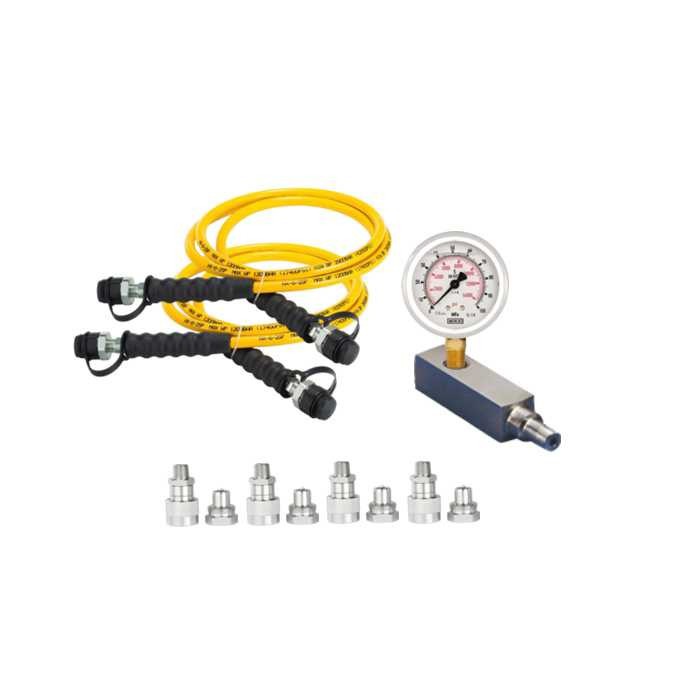
When you're in the business of bearing installation, you might also need other equipment. For instance, Hydraulic Press can be very useful for pressing the heated bearing onto a shaft. Hydraulic Hoses are essential for transferring hydraulic fluid in various hydraulic systems. And Hydraulic Accessories can help you customize and maintain your hydraulic equipment.

Let's Connect
If you're in the market for a bearing heater or any of the related equipment I mentioned, I'd love to help. I've got a wide range of products to suit different needs and budgets. Whether you're a small - scale workshop or a large industrial facility, I can find the perfect solution for you. Just reach out, and we can have a chat about your requirements. Let's work together to make your bearing installation process as smooth and efficient as possible.
References
- "Industrial Heating Equipment Handbook"
- Technical manuals from bearing heater manufacturers.


