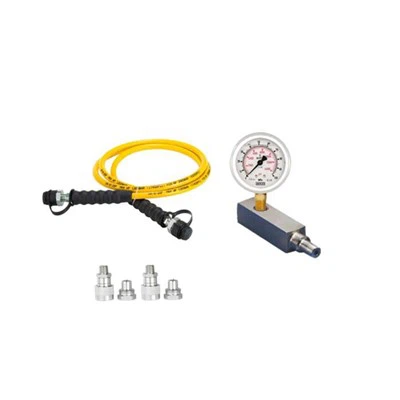
In the world of industrial machinery and equipment, hydraulic cylinders play a pivotal role. As a trusted hydraulic cylinders supplier, I understand the importance of speed control in hydraulic cylinders. This blog will delve into the various speed control methods for hydraulic cylinders, providing insights that can help you optimize your hydraulic systems.
1. Flow Control Valves
Flow control valves are one of the most common methods for controlling the speed of hydraulic cylinders. These valves work by regulating the flow rate of hydraulic fluid into and out of the cylinder. By adjusting the flow rate, we can directly influence the speed at which the cylinder extends or retracts.
There are two main types of flow control valves: adjustable and non - adjustable. Adjustable flow control valves allow for on - the - fly adjustments to the flow rate, giving operators the flexibility to change the cylinder speed according to the specific requirements of the task at hand. Non - adjustable flow control valves, on the other hand, have a fixed flow rate and are typically used in applications where a constant speed is required.
For example, in a manufacturing process where a hydraulic cylinder is used to move a workpiece at a consistent speed, a non - adjustable flow control valve may be the ideal choice. However, in a more dynamic application such as a construction equipment where the speed of the cylinder needs to be changed frequently, an adjustable flow control valve would be more suitable.
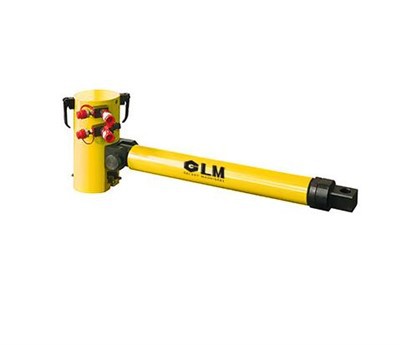
When using flow control valves, it's important to consider the pressure drop across the valve. A large pressure drop can lead to energy losses and reduced system efficiency. Therefore, it's crucial to select a flow control valve that is properly sized for the hydraulic system. You can find high - quality flow control valves that are compatible with our Single Acting Aluminum Hollow Hydraulic Cylinder to ensure optimal performance.
2. Pressure - Compensated Flow Control
Pressure - compensated flow control is an advanced method that builds on the basic principle of flow control valves. In a hydraulic system, the pressure can vary due to factors such as load changes and friction. These pressure variations can affect the flow rate and, consequently, the speed of the hydraulic cylinder.
Pressure - compensated flow control valves are designed to maintain a constant flow rate regardless of the pressure changes in the system. They achieve this by automatically adjusting the valve opening based on the pressure difference across the valve. This ensures that the speed of the hydraulic cylinder remains stable even when the load on the cylinder changes.
For instance, in a hydraulic press application, the load on the cylinder can vary significantly during the pressing operation. A pressure - compensated flow control valve can ensure that the cylinder moves at a consistent speed throughout the process, resulting in more accurate and reliable operation. Our company offers hydraulic cylinders that are well - suited for use with pressure - compensated flow control systems, providing you with a comprehensive solution for your speed control needs.
3. Variable Displacement Pumps
Variable displacement pumps are another effective way to control the speed of hydraulic cylinders. Unlike fixed displacement pumps that deliver a constant flow rate, variable displacement pumps can adjust the amount of hydraulic fluid they deliver based on the system requirements.
By changing the displacement of the pump, we can directly control the flow rate of the hydraulic fluid, which in turn affects the speed of the hydraulic cylinder. This method offers greater flexibility compared to using flow control valves alone, as it allows for more precise control of the system flow.


In applications where the speed of the hydraulic cylinder needs to be changed over a wide range, variable displacement pumps are often the preferred choice. For example, in a mobile hydraulic system such as a forklift, a variable displacement pump can be used to adjust the speed of the lifting cylinder according to the load being lifted and the operating conditions. We supply hydraulic cylinders that are compatible with a variety of variable displacement pumps, including our Steel Hydraulic Hand Pump, which can be used in smaller - scale hydraulic systems.
4. Proportional Valves
Proportional valves are a type of electro - hydraulic valve that can provide precise control of the hydraulic cylinder speed. These valves use an electrical signal to control the flow rate of the hydraulic fluid. The relationship between the electrical input and the flow rate is proportional, allowing for smooth and accurate speed control.
Proportional valves are particularly useful in applications that require high - precision speed control, such as in robotics and automated manufacturing systems. They can be programmed to follow a specific speed profile, enabling complex motion control of the hydraulic cylinder.
For example, in a robotic arm that uses hydraulic cylinders for movement, a proportional valve can be used to control the speed of each joint, allowing for precise and coordinated motion. Our hydraulic cylinders are designed to work seamlessly with proportional valves, providing you with a high - performance solution for your precision speed control requirements.
5. Accumulators
Although accumulators are not a direct speed control method, they can have a significant impact on the speed of hydraulic cylinders. An accumulator is a device that stores hydraulic energy in the form of pressurized fluid. It can release this stored energy when needed, which can help to increase the flow rate and speed up the movement of the hydraulic cylinder.
In applications where there are sudden or intermittent high - flow requirements, an accumulator can be used to supplement the flow from the pump. For example, in a hydraulic system that requires a rapid extension of the cylinder for a short period, an accumulator can provide the additional flow needed to achieve the desired speed.
We recommend using accumulators in combination with our hydraulic cylinders and other hydraulic components such as the Combined Handing Tank to create a more efficient and responsive hydraulic system.
Conclusion
In conclusion, there are several effective methods for controlling the speed of hydraulic cylinders, each with its own advantages and applications. As a hydraulic cylinders supplier, we understand the importance of providing our customers with the right solutions for their speed control needs. Whether you need a simple flow control valve for a basic application or a more advanced variable displacement pump for a complex system, we have the products and expertise to help you achieve optimal performance.
If you are interested in learning more about our hydraulic cylinders and the speed control methods we recommend, or if you have any specific requirements for your hydraulic system, please don't hesitate to contact us. Our team of experts is ready to assist you in selecting the most suitable products and solutions for your project. We look forward to the opportunity to work with you and help you optimize your hydraulic systems.
References
- "Hydraulic Systems: Design and Application" by John F. Duffy
- "Fluid Power Technology" by Arthur R. Smalley
- Technical literature from leading hydraulic component manufacturers