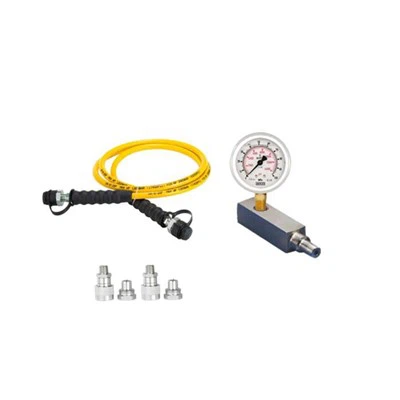
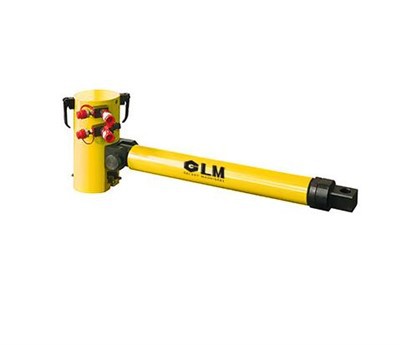
As a seasoned supplier of Flange Spreaders, I've witnessed firsthand the pivotal role these tools play in various industrial applications. From oil and gas refineries to power generation plants, flange spreaders are essential for safely and efficiently separating flanges during maintenance, repair, and installation processes. However, like any piece of equipment, flange spreaders are not immune to problems. In this blog post, I'll delve into the common issues associated with flange spreaders and offer insights on how to address them.
1. Hydraulic System Failures
One of the most prevalent problems with flange spreaders is hydraulic system failures. The hydraulic system is the heart of the flange spreader, responsible for generating the force needed to separate the flanges. Several factors can contribute to hydraulic system failures:
- Fluid Contamination: Over time, hydraulic fluid can become contaminated with dirt, debris, and moisture. This contamination can cause wear and tear on the hydraulic components, leading to leaks, reduced performance, and even system failure. Regular fluid analysis and filtration can help prevent contamination and extend the life of the hydraulic system.
- Seal Leakage: The seals in the hydraulic system are crucial for maintaining pressure and preventing fluid leakage. However, seals can degrade over time due to factors such as high temperatures, pressure fluctuations, and chemical exposure. Leaking seals can result in a loss of hydraulic pressure, reduced force output, and potential safety hazards. Inspecting and replacing worn seals regularly can help prevent leakage and ensure the proper functioning of the flange spreader.
- Pump Malfunctions: The hydraulic pump is responsible for pressurizing the hydraulic fluid and delivering it to the cylinders. Pump malfunctions can occur due to issues such as worn bearings, damaged pistons, or clogged filters. A malfunctioning pump can lead to a loss of pressure, reduced force output, and erratic operation of the flange spreader. Regular maintenance and inspection of the pump can help identify and address potential issues before they cause significant problems.
2. Mechanical Wear and Tear
Flange spreaders are subjected to high forces and repetitive use, which can cause mechanical wear and tear on the components. Some common mechanical issues include:
- Cylinder Damage: The cylinders in the flange spreader are responsible for applying the force to separate the flanges. Over time, the cylinders can become damaged due to factors such as excessive force, improper alignment, or corrosion. Damaged cylinders can result in reduced force output, uneven spreading, and potential safety hazards. Regular inspection and maintenance of the cylinders, including checking for signs of wear, damage, and corrosion, can help prevent issues and ensure the proper functioning of the flange spreader.
- Spreading Arm Wear: The spreading arms are the parts of the flange spreader that come into contact with the flanges. These arms can wear down over time due to friction and repeated use. Worn spreading arms can result in reduced grip on the flanges, uneven spreading, and potential slippage. Inspecting and replacing worn spreading arms regularly can help maintain the effectiveness of the flange spreader and ensure safe operation.
- Fastener Loosening: The fasteners used to secure the components of the flange spreader can loosen over time due to vibration and repeated use. Loose fasteners can result in a loss of structural integrity, reduced force output, and potential safety hazards. Regularly checking and tightening the fasteners can help prevent loosening and ensure the proper functioning of the flange spreader.
3. Incompatibility with Flanges
Another common problem with flange spreaders is incompatibility with the flanges they are intended to spread. Flanges come in a variety of sizes, shapes, and materials, and not all flange spreaders are suitable for all types of flanges. Some issues related to incompatibility include:
- Size Mismatch: If the flange spreader is not the right size for the flanges, it may not be able to generate enough force to separate them effectively. Using a flange spreader that is too small can result in insufficient spreading, while using one that is too large can cause damage to the flanges. It's important to select a flange spreader that is specifically designed for the size and type of flanges you are working with.
- Material Compatibility: Different flange materials have different properties, such as hardness and corrosion resistance. Using a flange spreader that is not compatible with the flange material can cause damage to the flanges or the spreader itself. For example, using a spreader with steel spreading arms on a plastic flange can cause scratching or cracking of the flange. It's important to consider the material of the flanges when selecting a flange spreader and choose one that is suitable for the specific application.
- Flange Configuration: Flanges can have different configurations, such as raised face, flat face, or ring joint. Some flange spreaders may not be suitable for certain flange configurations. For example, a spreader designed for raised face flanges may not work effectively on flat face flanges. It's important to ensure that the flange spreader you choose is compatible with the specific flange configuration you are working with.
4. Operator Error
Operator error can also contribute to problems with flange spreaders. Some common operator errors include:
- Improper Setup: Incorrect setup of the flange spreader can lead to issues such as uneven spreading, reduced force output, and potential safety hazards. It's important to follow the manufacturer's instructions carefully when setting up the flange spreader, including ensuring proper alignment, securing the spreader to the flanges, and adjusting the spreading arms to the correct position.
- Overloading: Applying too much force to the flange spreader can cause damage to the tool and the flanges. It's important to use the appropriate amount of force based on the size and type of flanges you are working with. Overloading the flange spreader can also increase the risk of hydraulic system failures and mechanical wear and tear.
- Lack of Training: Operators who are not properly trained on the use of flange spreaders may not be aware of the potential risks and how to operate the tool safely and effectively. Providing comprehensive training to operators on the proper use, maintenance, and safety procedures of flange spreaders can help prevent operator error and ensure the safe and efficient operation of the tool.
Addressing the Common Problems
To address the common problems associated with flange spreaders, it's important to take a proactive approach to maintenance and operation. Here are some tips:
- Regular Maintenance: Establish a regular maintenance schedule for your flange spreaders, including fluid analysis, seal inspection and replacement, pump maintenance, and component inspection. Regular maintenance can help identify and address potential issues before they cause significant problems and extend the life of the tool.
- Proper Selection: When selecting a flange spreader, consider the size, type, and configuration of the flanges you will be working with, as well as the material of the flanges. Choose a flange spreader that is specifically designed for your application to ensure compatibility and optimal performance.
- Operator Training: Provide comprehensive training to operators on the proper use, maintenance, and safety procedures of flange spreaders. Ensure that operators are familiar with the tool's features, limitations, and potential risks, and know how to operate the tool safely and effectively.
- Use of Quality Parts: When replacing parts on your flange spreader, use high-quality parts that are specifically designed for the tool. Using inferior parts can lead to reduced performance, increased wear and tear, and potential safety hazards.
In conclusion, while flange spreaders are essential tools for industrial applications, they are not without their problems. By being aware of the common issues associated with flange spreaders and taking proactive steps to address them, you can ensure the safe and efficient operation of your tools and minimize downtime. If you have any questions or need further assistance with your flange spreaders, please don't hesitate to contact us. We are a leading supplier of Flange Spreader, Hydraulic Flange Alignment Tool, and Hydraulic Nut Splitter, and we are committed to providing our customers with the highest quality products and services. Whether you are looking to purchase a new flange spreader or need help with maintenance and repair, we are here to support you. Contact us today to discuss your requirements and explore how we can help you meet your industrial bolting needs.


References
- Industrial Bolting Handbook
- Flange Spreader Manufacturer's Manuals
- Hydraulic System Maintenance Guides