Hydraulic hoses are a critical component in many industrial and mobile hydraulic systems. They are responsible for transmitting hydraulic fluid under high pressure to various parts of the machinery, enabling smooth and efficient operation. However, like any mechanical part, hydraulic hoses can encounter problems over time. As a hydraulic hoses supplier, I have dealt with a wide range of hose issues and have gained valuable insights into troubleshooting these problems. In this blog, I will share some common hydraulic hose problems and how to troubleshoot them effectively.
Common Hydraulic Hose Problems
Leakage
Leakage is one of the most common problems with hydraulic hoses. It can occur due to several reasons, including damaged fittings, worn-out seals, or cracks in the hose itself. Leakage not only leads to a loss of hydraulic fluid but can also cause environmental pollution and pose a safety hazard.
Abrasion
Abrasion is another frequent issue. When a hydraulic hose rubs against other components or surfaces, the outer layer of the hose can wear away. This can expose the inner layers of the hose, making it more susceptible to damage and leakage. Abrasion can be caused by improper installation, vibration, or the presence of sharp edges in the vicinity of the hose.
Bursting
Bursting is a serious problem that can occur when the pressure inside the hose exceeds its rated capacity. This can be due to a sudden surge in pressure, a blockage in the hydraulic system, or the use of a hose with an incorrect pressure rating. A burst hose can cause significant damage to the equipment and can also be dangerous to operators.
Kinking
Kinking occurs when a hose is bent at an angle that is too sharp. This can restrict the flow of hydraulic fluid, leading to reduced performance and potential damage to the hose. Kinking can be caused by improper installation, movement of the equipment, or the use of hoses that are too long or too short for the application.
Troubleshooting Hydraulic Hose Problems
Visual Inspection
The first step in troubleshooting hydraulic hose problems is to conduct a visual inspection. Look for signs of leakage, such as wet spots or drips around the fittings or along the length of the hose. Check for abrasion, cracks, or bulges on the outer surface of the hose. Also, inspect the fittings for any signs of damage or looseness.
Pressure Testing
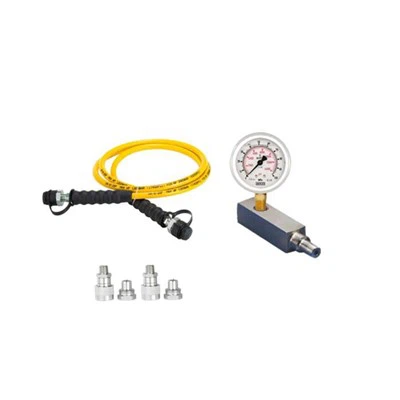
If you suspect a problem with the pressure in the hydraulic system, you can perform a pressure test. Use a pressure gauge to measure the pressure at different points in the system. Compare the readings with the recommended pressure ratings for the equipment. If the pressure is too high or too low, it could indicate a problem with the pump, valves, or the hose itself.
Flow Testing
Flow testing can help determine if there is a blockage or restriction in the hydraulic hose. Use a flow meter to measure the flow rate of the hydraulic fluid through the hose. Compare the readings with the expected flow rate for the equipment. A lower than normal flow rate could indicate a blockage in the hose or a problem with the pump.
Fitting Inspection
Inspect the fittings on the hydraulic hose carefully. Make sure they are properly tightened and that the seals are in good condition. Loose fittings can cause leakage, while damaged seals can allow hydraulic fluid to escape. If you find any damaged fittings or seals, replace them immediately.
Hose Replacement
If you identify a problem with the hydraulic hose that cannot be repaired, such as a burst or severely damaged hose, it is necessary to replace the hose. When replacing the hose, make sure to use a hose that has the correct size, pressure rating, and compatibility with the hydraulic fluid. Follow the manufacturer's instructions for installation to ensure proper performance.
Preventive Measures
Proper Installation
Proper installation is crucial to prevent hydraulic hose problems. Make sure the hoses are installed in a way that avoids kinking, abrasion, and excessive bending. Use appropriate clamps and supports to secure the hoses in place. Follow the recommended installation procedures provided by the equipment manufacturer.
Regular Maintenance
Regular maintenance is essential to keep hydraulic hoses in good condition. This includes checking the hoses for signs of wear and tear, replacing any damaged components, and changing the hydraulic fluid at the recommended intervals. By performing regular maintenance, you can detect and address potential problems before they become serious.


Use of Quality Hoses
Using high-quality hydraulic hoses is another important preventive measure. Quality hoses are more resistant to abrasion, bursting, and leakage. They are also designed to withstand the specific operating conditions of the equipment. As a hydraulic hoses supplier, I recommend choosing hoses from reputable manufacturers that meet industry standards.
Related Hydraulic Equipment
In addition to hydraulic hoses, there are other important hydraulic equipment that play a crucial role in the overall performance of the hydraulic system. For example, the Ring Gear Bearing Heater is used to heat bearings for easy installation and removal. The Electric Forklift relies on hydraulic systems to lift and move heavy loads. And the Propelled Concrete Mixer uses hydraulic power to mix and transport concrete.
Conclusion
Troubleshooting hydraulic hose problems requires a systematic approach that includes visual inspection, pressure testing, flow testing, and fitting inspection. By identifying and addressing problems early, you can prevent costly downtime and ensure the safe and efficient operation of your hydraulic equipment. As a hydraulic hoses supplier, I am committed to providing high-quality hoses and expert advice to help you maintain your hydraulic systems. If you have any questions or need assistance with hydraulic hose troubleshooting or procurement, please feel free to contact me for further discussion and potential business opportunities.
References
- Hydraulic Systems Handbook, various authors
- Manufacturer's manuals for hydraulic equipment and hoses