In industrial operations, flange spreaders play a crucial role in separating flanges for maintenance, repair, or installation purposes. However, emergencies can occur during their use, and knowing how to handle these situations is essential for ensuring safety and minimizing downtime. As a flange spreader supplier, I've witnessed various scenarios and learned valuable lessons on emergency handling. In this blog, I'll share some key strategies and best practices for dealing with emergencies when using flange spreaders.
Understanding the Basics of Flange Spreaders
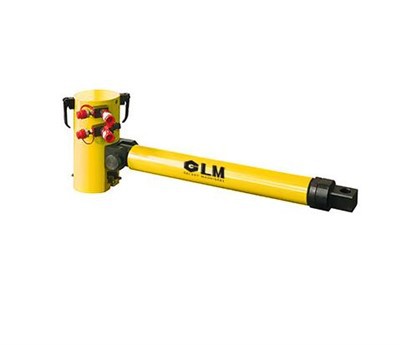
Before delving into emergency handling, it's important to have a solid understanding of flange spreaders. There are different types of flange spreaders available in the market, each designed for specific applications. For instance, the Mechanical Wedge Spreader is a simple and cost - effective option that uses mechanical force to separate flanges. It's suitable for light - to medium - duty applications. On the other hand, the Hydraulic Vertical Lifting Wedge Spreader offers more power and precision, making it ideal for heavy - duty tasks. And of course, our general Flange Spreader comes in a variety of models to meet different customer needs.


Common Emergencies and Their Causes
- Over - force and Equipment Failure
One of the most common emergencies is over - force applied to the flange spreader, which can lead to equipment failure. This can happen when operators try to spread flanges that are too tightly bound or when they exceed the rated capacity of the spreader. For example, if a mechanical wedge spreader is used on a flange with excessive corrosion or misalignment, the force required to separate the flanges may be much higher than the spreader can handle, causing parts to break or malfunction. - Hydraulic System Issues (for Hydraulic Spreaders)
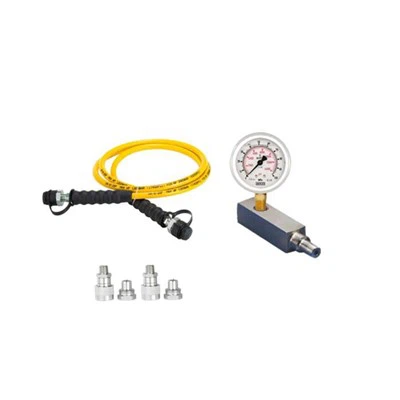
Hydraulic flange spreaders rely on a hydraulic system to generate force. Leaks in the hydraulic lines, pump failures, or problems with the hydraulic fluid can all lead to emergencies. A small leak may start as a minor issue but can quickly escalate if not addressed, resulting in a loss of pressure and the inability to operate the spreader effectively. - Pinching or Trapping Hazards
During the spreading process, there is a risk of hands, fingers, or other body parts getting pinched between the flanges or the spreader components. This can occur if the operator is not paying attention or if the work area is not properly secured.
Emergency Handling Procedures
- Stop the Operation Immediately
As soon as an emergency is detected, the first step is to stop the operation of the flange spreader. This helps prevent further damage to the equipment and reduces the risk of injury. For hydraulic spreaders, turn off the hydraulic pump to stop the flow of fluid and relieve pressure. - Assess the Situation
Once the operation is stopped, carefully assess the situation. Determine the nature and severity of the emergency. Is it a minor issue like a small hydraulic leak that can be fixed on - site, or is it a major equipment failure that requires professional assistance? Look for any visible signs of damage, such as broken parts, leaks, or misalignments. - Isolate the Hazard
If there is a pinching or trapping hazard, immediately take steps to free the trapped body part. Use appropriate tools to carefully relieve the pressure without causing further injury. If the spreader is in a position where it could cause harm to nearby workers, isolate the area by using barriers or warning signs. - Address Hydraulic System Issues
For hydraulic spreader emergencies related to the hydraulic system, start by identifying the source of the problem. If it's a leak, try to locate the leak point and use appropriate sealing materials to stop it temporarily. If the pump has failed, check for power supply issues and if necessary, replace the pump or call in a professional technician. Make sure to follow all safety procedures when working on the hydraulic system, as hydraulic fluid can be under high pressure and can cause serious injury if not handled properly. - Repair or Replace Damaged Parts
In case of equipment failure due to over - force or other causes, assess the damage to the spreader components. If a part is broken or severely damaged, it may need to be replaced. Keep a stock of common replacement parts on - site to minimize downtime. However, if the damage is extensive, it's advisable to contact a professional repair service or the manufacturer for assistance.
Preventive Measures to Avoid Emergencies
- Proper Training
Ensure that all operators are properly trained in the use of flange spreaders. Training should cover not only the basic operation of the equipment but also safety procedures, emergency handling, and maintenance requirements. A well - trained operator is less likely to make mistakes that could lead to emergencies. - Regular Maintenance
Implement a regular maintenance schedule for the flange spreaders. This includes checking for leaks, inspecting the mechanical components for wear and tear, and changing the hydraulic fluid at recommended intervals. Regular maintenance helps identify potential problems before they become emergencies. - Use the Right Equipment for the Job
Select the appropriate flange spreader for the specific application. Consider factors such as the size and type of the flanges, the amount of force required, and the working environment. Using the wrong equipment can increase the risk of over - force and equipment failure. - Inspect the Work Area
Before starting the spreading operation, thoroughly inspect the work area. Remove any obstacles, ensure proper lighting, and secure the flanges and the spreader to prevent movement. This helps reduce the risk of pinching or trapping hazards.
Importance of Having a Backup Plan
Even with the best preventive measures in place, emergencies can still occur. That's why it's important to have a backup plan. Have a second flange spreader available on - site in case the primary one fails. This can significantly reduce downtime and keep the project on schedule. Additionally, establish a relationship with a reliable repair service or the manufacturer so that you can quickly get assistance in case of a major emergency.
Contact for Procurement and Consultation
If you're in the market for high - quality flange spreaders or need more information on emergency handling procedures, we're here to help. As a leading flange spreader supplier, we offer a wide range of products to meet your specific needs. Our team of experts can provide you with professional advice on product selection, operation, and maintenance. Don't hesitate to reach out to us for procurement and to discuss any questions or concerns you may have.
References
- Industrial Safety Handbook: A comprehensive guide to safety in industrial operations, including the use of tools like flange spreaders.
- Flange Spreader Manufacturer's Manuals: These manuals provide detailed information on the operation, maintenance, and emergency handling of specific flange spreader models.
- OSHA (Occupational Safety and Health Administration) Guidelines: OSHA provides regulations and guidelines for workplace safety, which are relevant to the use of flange spreaders.