As a seasoned supplier of hydraulic manual pumps, I understand the critical importance of ensuring these pumps perform at their best. A well - functioning hydraulic manual pump is essential for a wide range of applications, from industrial machinery to automotive repair. In this blog, I'll share some practical steps on how to check the performance of a hydraulic manual pump.
1. Visual Inspection
The first step in assessing the performance of a hydraulic manual pump is a thorough visual inspection. Start by examining the exterior of the pump for any signs of damage, such as cracks, dents, or leaks. A damaged pump housing can lead to fluid leakage, which not only reduces the efficiency of the pump but can also pose a safety hazard.
Check the hoses and connections for tightness and signs of wear. Loose connections can cause air to enter the hydraulic system, leading to a loss of pressure. Look for any signs of corrosion on the metal parts of the pump, as this can weaken the structure and affect its performance over time.
Inspect the pump's handle for any signs of damage or excessive wear. A damaged handle can make it difficult to operate the pump effectively, reducing the amount of force that can be applied.
2. Check the Fluid Level
Hydraulic fluid is the lifeblood of a hydraulic manual pump. Low fluid levels can cause the pump to overheat and reduce its performance. To check the fluid level, locate the reservoir on the pump. Most pumps have a sight glass or a dipstick that allows you to easily see the fluid level.
If the fluid level is low, add the appropriate type of hydraulic fluid as recommended by the manufacturer. It's important to use the correct fluid to ensure optimal performance and prevent damage to the pump.
While checking the fluid level, also inspect the fluid for any signs of contamination. Contaminated fluid can contain dirt, debris, or water, which can damage the internal components of the pump. If the fluid appears cloudy or has particles in it, it may need to be replaced.
3. Test the Pressure
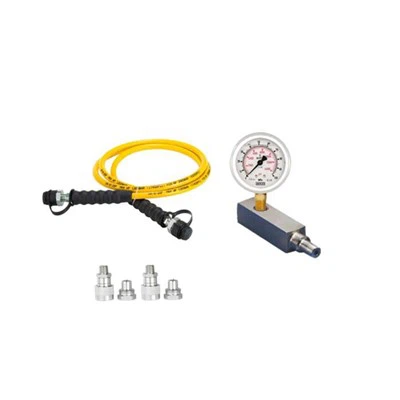
One of the most important aspects of a hydraulic manual pump's performance is its ability to generate and maintain pressure. To test the pressure, you'll need a pressure gauge. Connect the pressure gauge to the pump's outlet port according to the manufacturer's instructions.


Operate the pump handle slowly and steadily, and observe the pressure gauge. The pressure should increase gradually as you pump. If the pressure fails to increase or increases very slowly, there may be a problem with the pump, such as a clogged valve or a worn - out seal.
Compare the pressure reading on the gauge with the pump's rated pressure. If the actual pressure is significantly lower than the rated pressure, the pump may not be performing at its best and may require further inspection or repair.
4. Check the Flow Rate
In addition to pressure, the flow rate of the hydraulic fluid is also an important factor in the pump's performance. A low flow rate can cause slow operation of the hydraulic equipment connected to the pump.
To check the flow rate, you can use a flow meter. Connect the flow meter to the pump's outlet port and operate the pump as normal. The flow meter will display the volume of fluid flowing through the pump per unit of time.
Compare the measured flow rate with the pump's rated flow rate. If the actual flow rate is lower than the rated flow rate, there may be a restriction in the hydraulic system, such as a blocked filter or a damaged hose.
5. Evaluate the Operating Smoothness
A well - functioning hydraulic manual pump should operate smoothly without any jerks or unusual noises. When operating the pump handle, pay attention to how it feels. If the handle is difficult to move or if it feels sticky, there may be a problem with the internal components of the pump, such as a worn - out piston or a damaged valve.
Listen for any unusual noises coming from the pump, such as rattling, hissing, or grinding sounds. These noises can indicate problems such as loose parts, air in the system, or internal damage.
6. Consider the Pump's Design and Application
Different types of hydraulic manual pumps are designed for different applications. For example, a Lightweight Hydraulic Hand Pump is ideal for applications where portability is important, while a Steel Hydraulic Hand Pump may be more suitable for heavy - duty applications.
When checking the performance of a hydraulic manual pump, it's important to consider its design and intended application. Make sure the pump is being used within its specified operating parameters. Using a pump outside of its recommended range can lead to premature wear and reduced performance.
7. Look for Wear and Tear on Seals and O - rings
Seals and O - rings play a crucial role in preventing fluid leakage and maintaining the pressure in a hydraulic manual pump. Over time, these seals and O - rings can wear out, leading to leaks and reduced performance.
Inspect the seals and O - rings for any signs of wear, such as cracks, tears, or deformation. If you notice any damage, replace the seals and O - rings with new ones that are compatible with your pump.
8. Regular Maintenance
Regular maintenance is key to ensuring the long - term performance of a hydraulic manual pump. Follow the manufacturer's recommended maintenance schedule, which may include tasks such as changing the hydraulic fluid, replacing filters, and lubricating moving parts.
By performing regular maintenance, you can identify and address potential problems before they become major issues, extending the lifespan of your pump and ensuring consistent performance.
Conclusion
Checking the performance of a hydraulic manual pump is a multi - step process that involves visual inspection, fluid level checks, pressure and flow rate testing, and an evaluation of the pump's operating smoothness. By following these steps, you can ensure that your hydraulic manual pump is performing at its best and avoid costly breakdowns.
If you're in the market for a high - quality hydraulic manual pump, we offer a wide range of options, including the Lightweight Hydraulic Manual Pump. Our pumps are designed and manufactured to the highest standards, ensuring reliability and performance.
If you have any questions about our products or need assistance in choosing the right hydraulic manual pump for your application, don't hesitate to contact us for procurement and negotiation. We're here to help you find the best solution for your hydraulic needs.
References
- Manufacturer's manuals for hydraulic manual pumps
- Industry standards and guidelines for hydraulic system maintenance